Ariane 6’s 2024 debut proved the upper stage—and exposed one unfinished test
The July 2024 maiden flight deployed eight passengers after two Vinci burns, but an auxiliary-unit shutdown prevented its planned final burn.
Article link
A restart changes what a launch can do
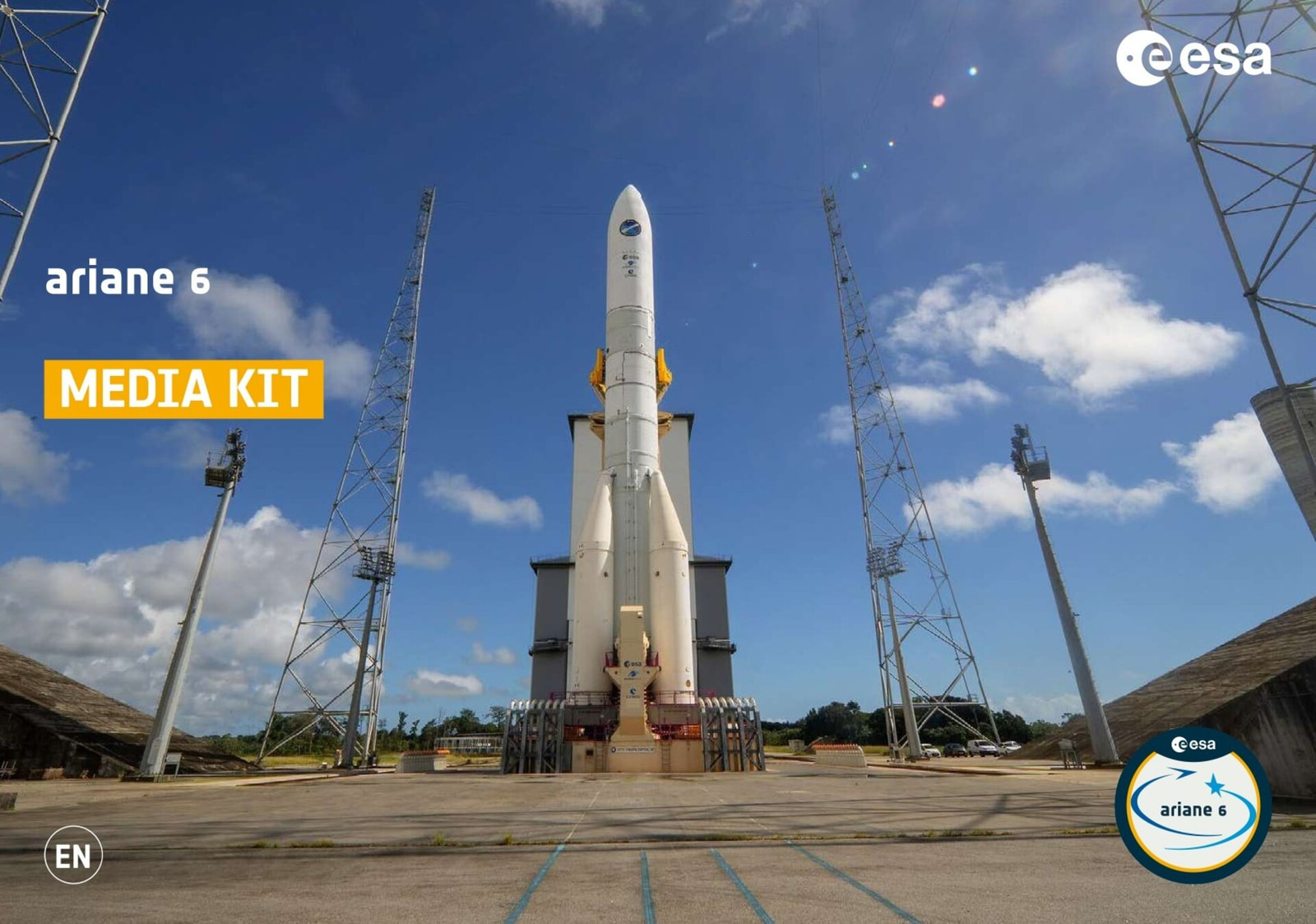
Ariane 6’s first flight, VA262, lifted off from French Guiana on 9 July 2024. It was a demonstration flight, but it carried eight small satellite missions along with onboard experiments. The upper stage released all eight into a circular orbit about 580 kilometres above Earth after the Vinci engine fired twice. That second burn was a key result: the stage could coast, restart, and reshape its orbit before delivering the payloads.[1]
A restartable upper stage can serve missions that need different orbital placements, then make a final manoeuvre to leave the operational region. Vinci burns liquid oxygen and liquid hydrogen. In microgravity, fuel does not settle toward the engine as it would in a ground tank. Ariane 6’s small Auxiliary Propulsion Unit, or APU, helps pressurise the upper-stage tanks and can add thrust. The APU is part of the propulsion chain that makes a later Vinci ignition possible, not a spare engine that can be ignored.[2]
The final demonstration stopped early
The final demonstration ended early when an APU temperature reading exceeded its limit. Software shut the unit down and withheld a third Vinci burn, which would have sent the stage toward re-entry. The stage was passivated and two re-entry capsules stayed aboard. Payload deployment had succeeded; the final-burn test remained incomplete.[1][3]
In September 2024, ESA said an APU chill-down software change was under test. By 3 November 2026, its launch log listed nine Ariane 6 flights, ending with VA270 on 27 August 2026. The log documents flight history; it does not establish reliability.[3][4]
Sources & further reading
- Ariane 6: post-launch updateEuropean Space AgencyPublished July 31, 2024Accessed November 3, 2026
Flight sequence, satellite deployments and incomplete final demonstration.
- The engines of Ariane 6European Space AgencyAccessed November 3, 2026
Explains Vinci upper-stage restarts, why the APU pressurises propellant tanks in microgravity, and the role of final burns in orbit placement or disposal.
- Ariane 6 joint update report, 16 September 2024European Space AgencyPublished September 16, 2024Accessed November 3, 2026
APU shutdown, withheld burn, passivation and software change.
- Launches from Europe’s Spaceport from 2012European Space AgencyAccessed November 3, 2026
ESA launch dates from VA262 through VA270.
Keep exploring
Vega-C’s 2024 return followed two Zefiro-40 nozzle tests
After a 2022 second-stage failure, Vega-C returned with a redesigned nozzle and two test firings behind it; its launch record now extends through 2026.
Read story
A 2025 study reported a planet candidate in TWA 7’s debris ring
A JWST source observed in 2024 fits a cool companion, while follow-up supports the interpretation without yet testing shared motion.
Read story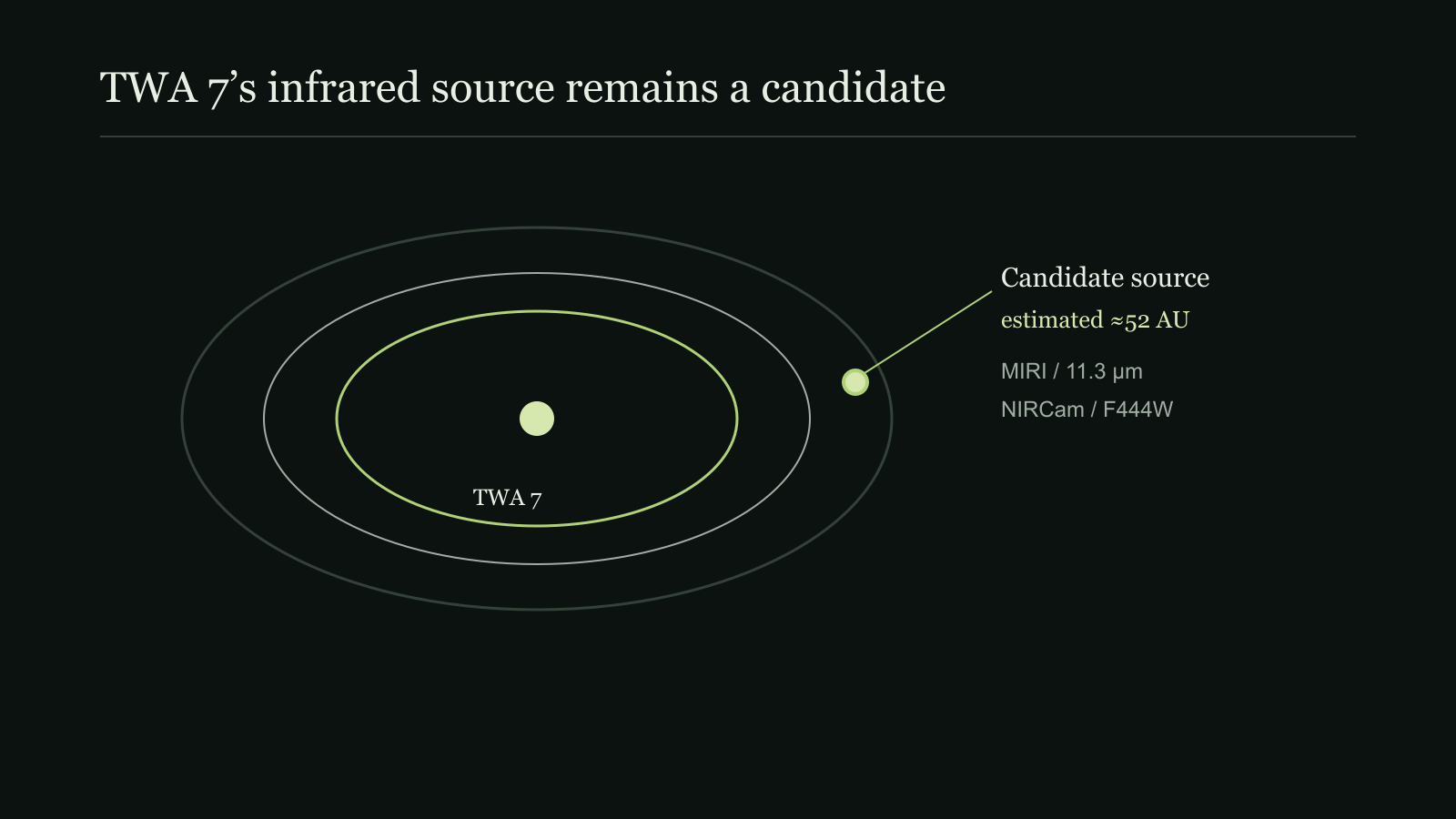
A 2024 study found a close planet around Barnard’s Star
ESPRESSO measured a short-period sub-Earth-mass world; later instruments tested the signal and refined which other signals count as planets.
Read story