2024 highlight: polarized light maps magnetic clues near the Milky Way’s black hole
A 2024 polarization image revealed a robust spiral pattern, while the surrounding plasma and magnetic field still require interpretation.
Article link
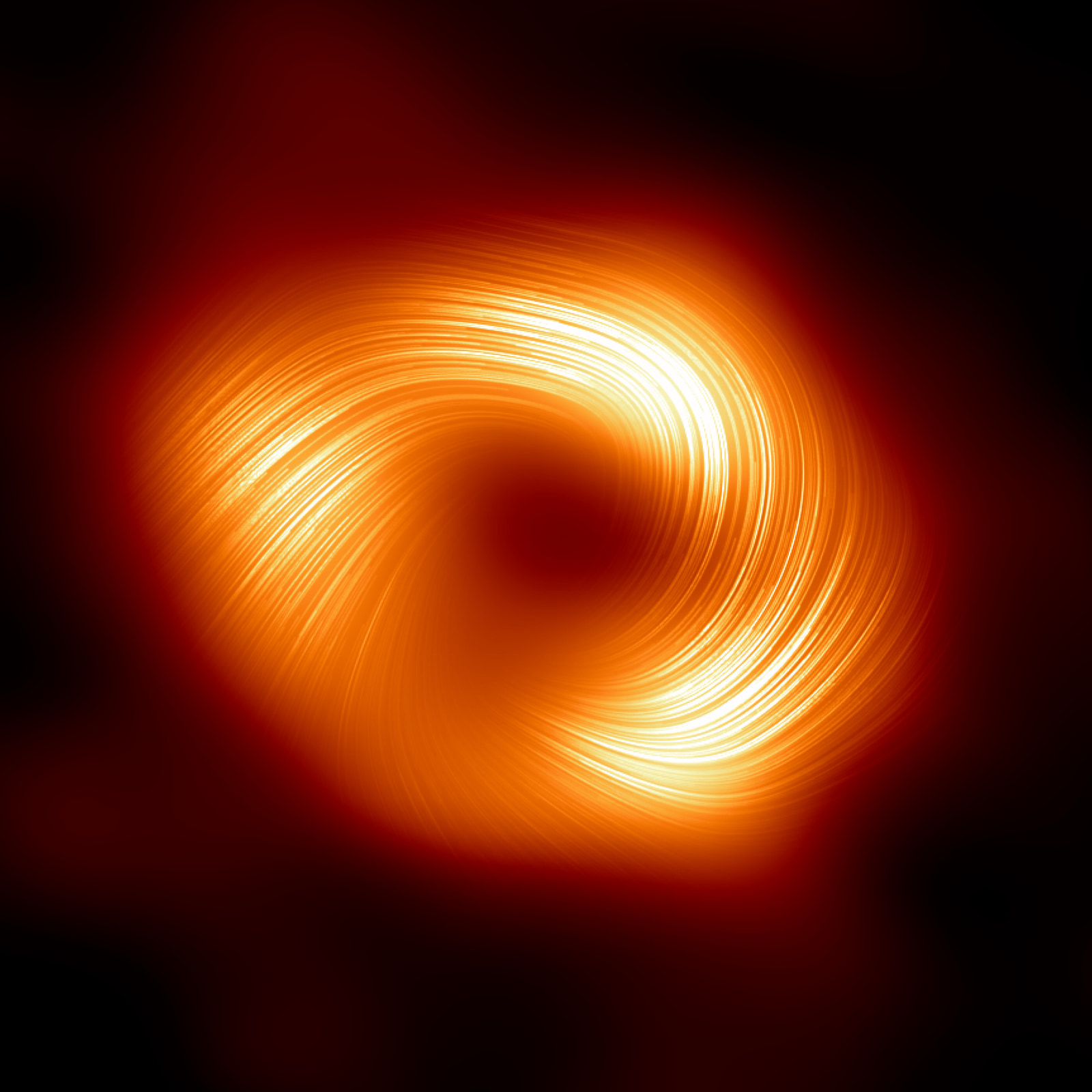
A polarized view, announced in 2024
On 27 March 2024, the Event Horizon Telescope collaboration published resolved polarization images of Sagittarius A*, using 2017 radio observations at roughly 1.3 millimetres. The emission ring traces hot material near the Milky Way’s central black hole; it is not a picture of a solid surface.[2]
Polarized radiation has a preferred orientation. Around a black hole, its pattern carries information about magnetic fields in the emitting plasma. The displayed marks are measurements of polarized light, rather than directly visible magnetic field lines.[1]
A robust pattern, an uncertain detailed map
Different reconstructions produced a prominent spiral pattern around the ring. The collaboration cautioned that Sagittarius A* changes rapidly, leaving the detailed distribution of polarization around that ring uncertain. The broad pattern is more robust than every local feature in a reconstructed image.[2]
Paper VIII compared the data with simulations of magnetized accretion flows. No model matched all of its observational constraints without correcting for Faraday rotation. After derotation under an external-screen assumption, one model passed. That conditional result does not uniquely measure the black hole’s spin or establish one exact plasma geometry.[3]
What it does not demonstrate
ESO compared the pattern with the earlier polarized view of M87*, suggesting ordered magnetic fields may matter in both environments. The release discussed the possibility of a hidden jet at Sagittarius A* but said none had been imaged. Similar polarization in two systems is a useful clue, not a jet detection or a universal rule for black holes.[1]
Sources & further reading
- Astronomers unveil strong magnetic fields spiraling at the edge of Milky Way’s central black holeEuropean Southern ObservatoryPublished March 27, 2024Accessed November 3, 2026
Announcement and comparison with M87; no Sagittarius A* jet detection.
- First Sagittarius A* Event Horizon Telescope Results. VII. Polarization of the RingEvent Horizon Telescope Collaboration / The Astrophysical Journal LettersPublished March 27, 2024Accessed November 3, 2026
Image reconstruction, polarization pattern and variability limitations.
- First Sagittarius A* Event Horizon Telescope Results. VIII. Physical Interpretation of the Polarized RingEvent Horizon Telescope Collaboration / The Astrophysical Journal LettersPublished March 27, 2024Accessed November 3, 2026
Simulations, Faraday-rotation corrections and physical interpretation.
Keep exploring
Gaia BH3: a black hole found by a star’s wobble
The 2024 announcement described a massive dark companion and a tentative clue from its star.
Read story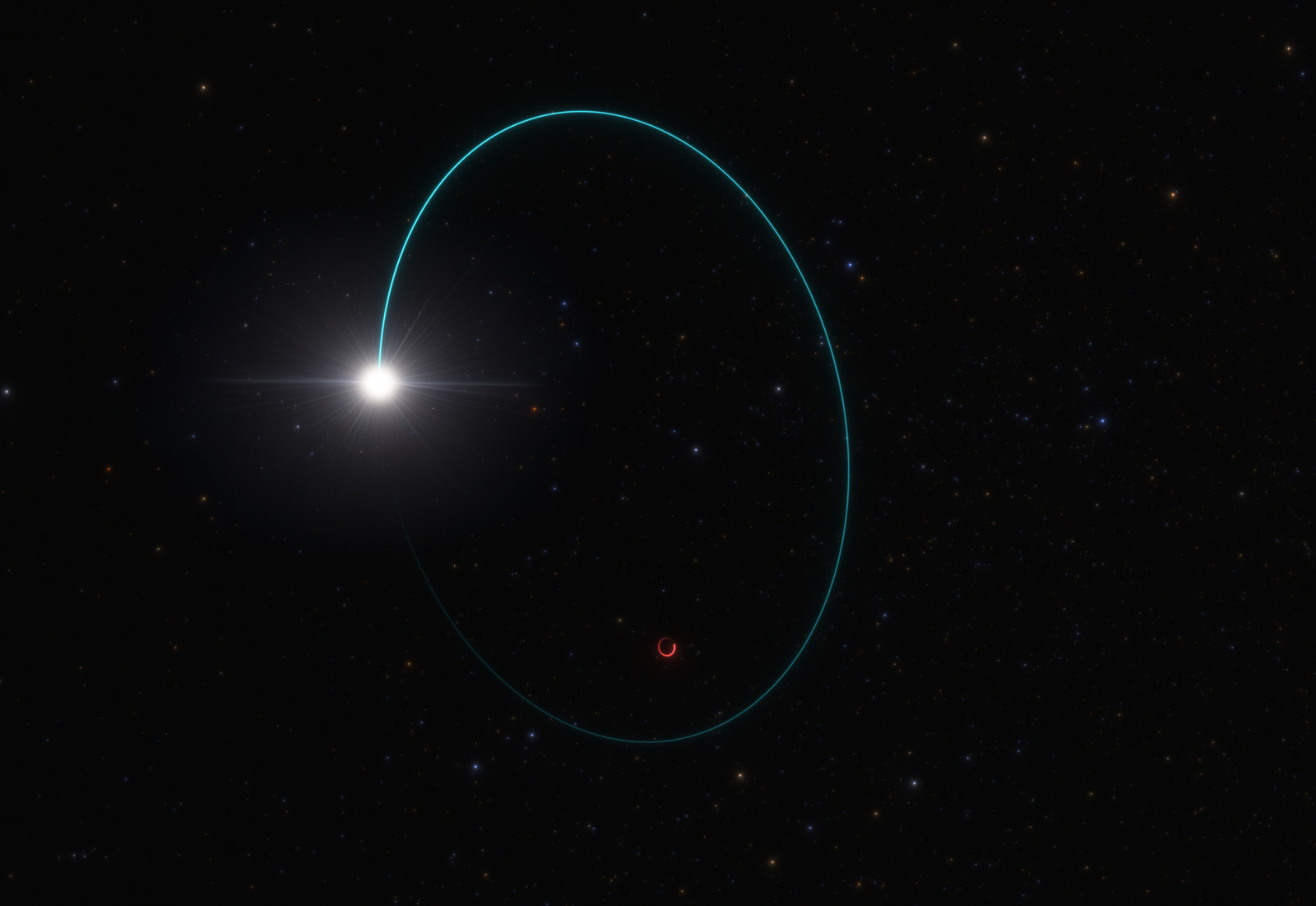
Ariane 6’s 2024 debut proved the upper stage—and exposed one unfinished test
The July 2024 maiden flight deployed eight passengers after two Vinci burns, but an auxiliary-unit shutdown prevented its planned final burn.
Read story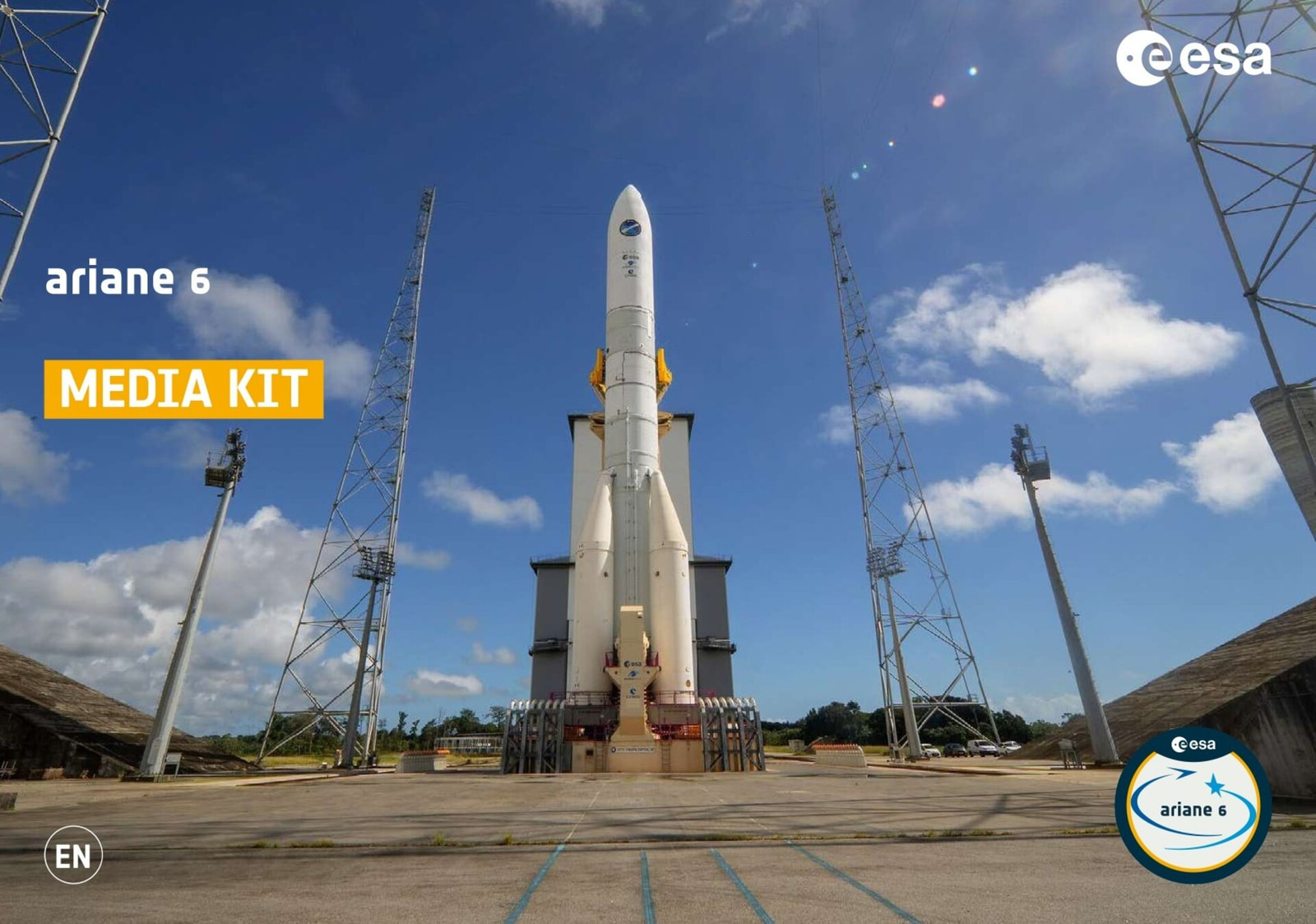
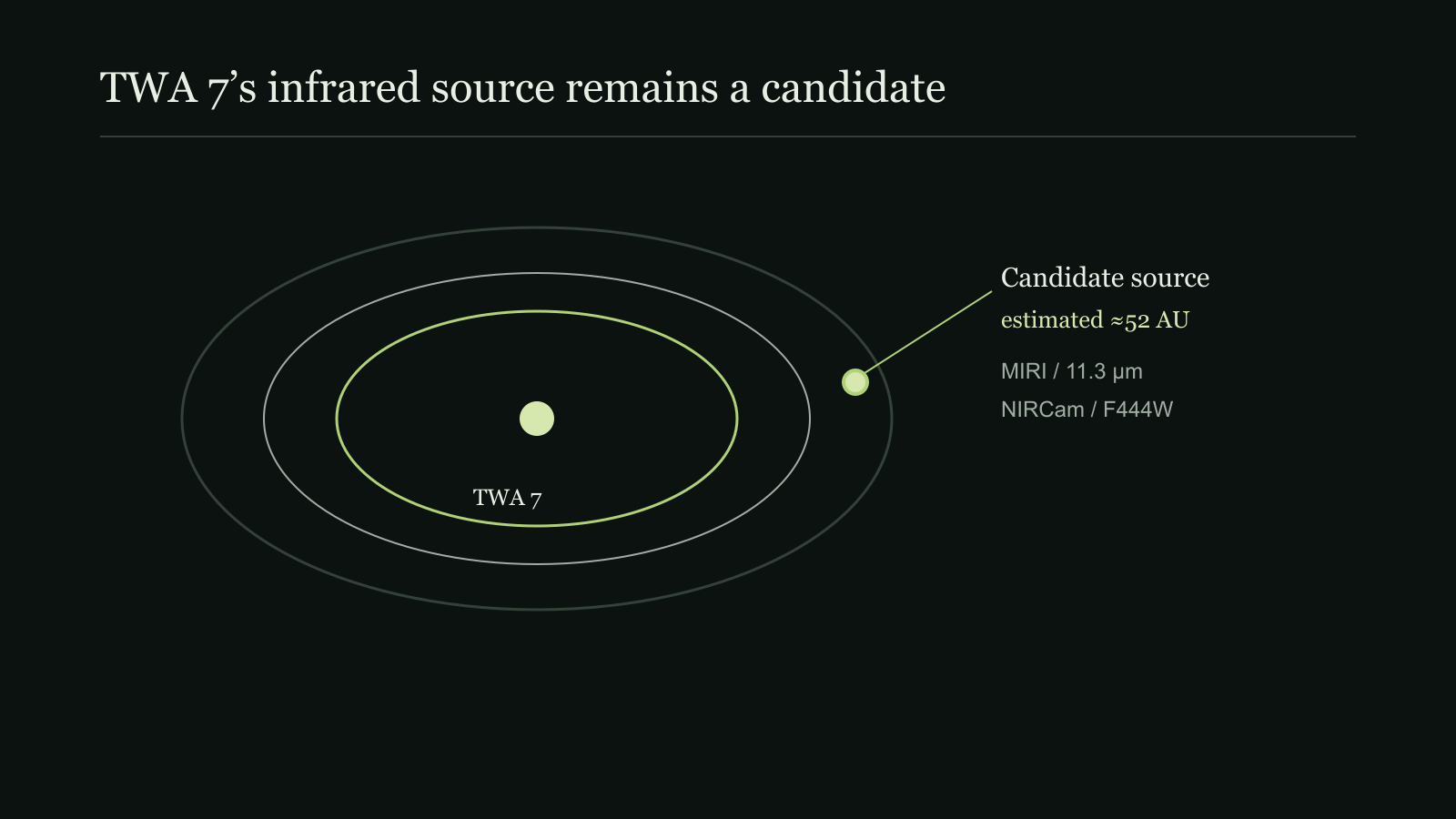
A 2025 study reported a planet candidate in TWA 7’s debris ring
A JWST source observed in 2024 fits a cool companion, while follow-up supports the interpretation without yet testing shared motion.
Read story