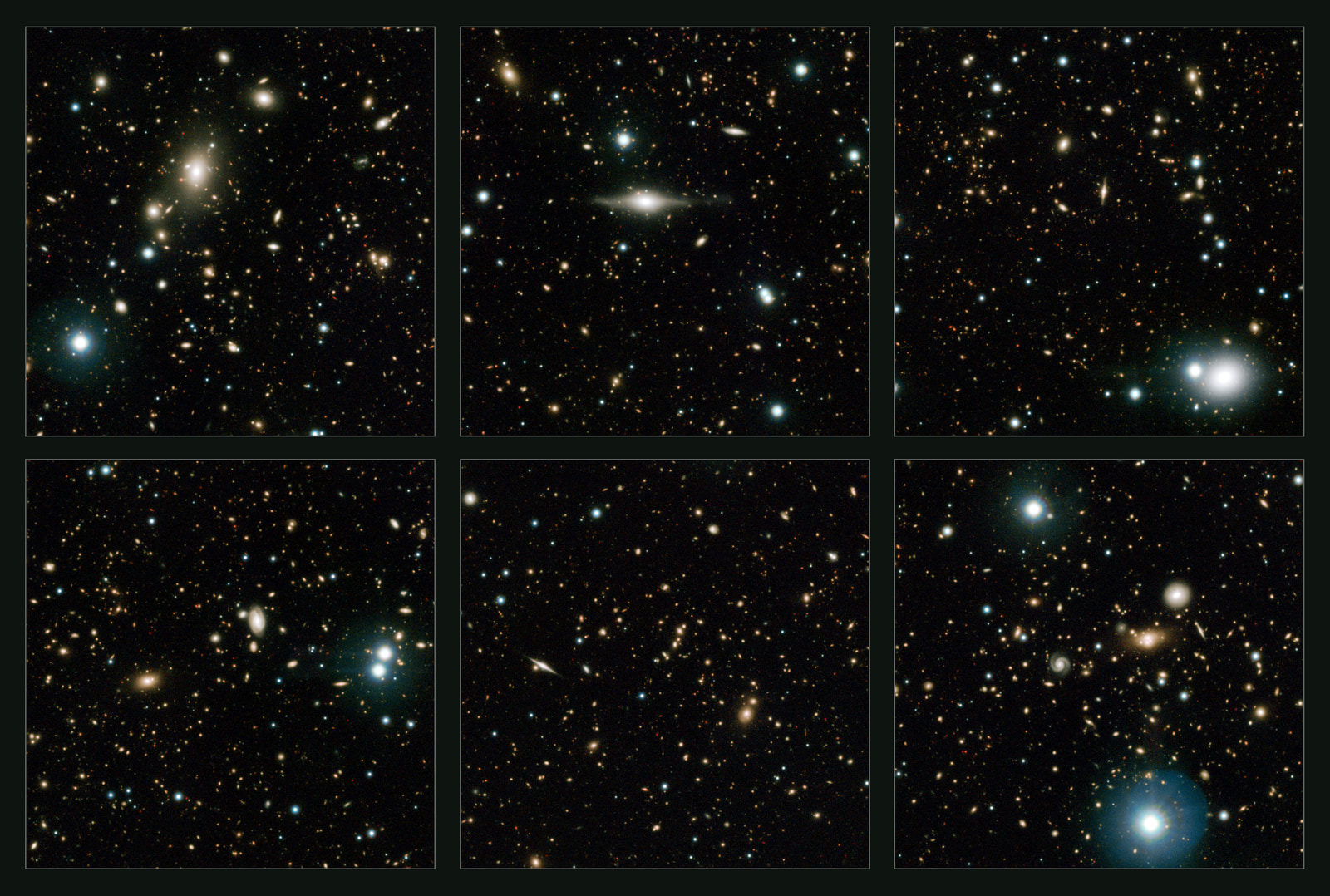
SN 2019qem’s modeled 9-solar-mass eruption
The fit places it two years before explosion; wind speed, gas shape and light production affect the estimate.
Article link
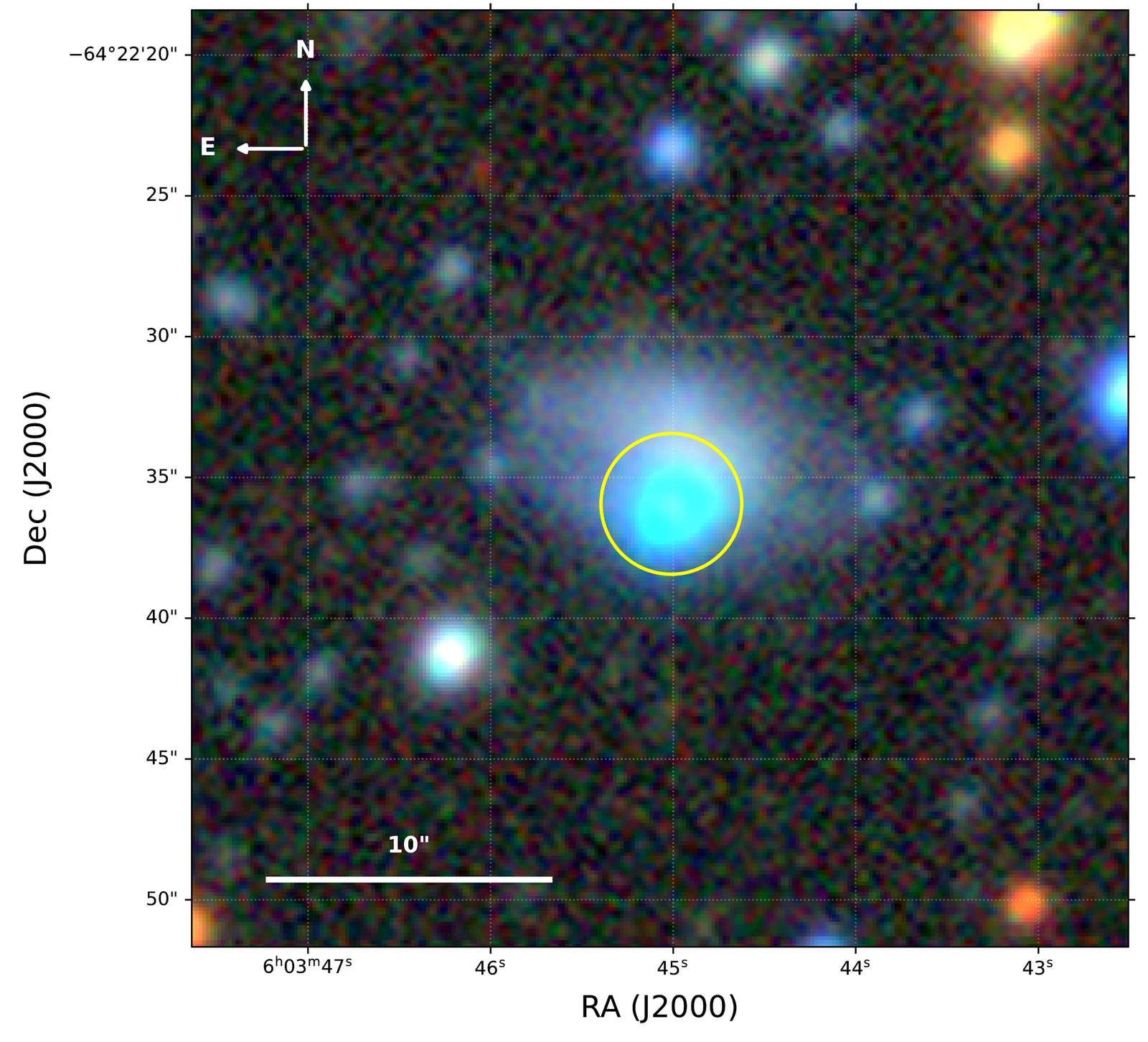
Model result
An arXiv preprint submitted on 3 November 2026 analyzes SN 2019qem’s 2019 explosion. No journal acceptance is listed.[1]
Fast debris hitting gas shed earlier can power a supernova’s bright light. The authors model this collision and use widths of hydrogen lines to limit shock speed. Their preferred fit suggests about 9 solar masses were expelled roughly 2.2 years before core collapse.[1]
This history is modeled, not a directly seen eruption. Mass depends on gas speed and shape and on how much collision energy becomes light. The progenitor’s identity remains unknown.[1]
Sources & further reading
- SN 2019qem: decades of extreme mass loss before the explosion of a luminous, long-lived Type IIn supernovaarXivPublished November 3, 2026Accessed November 4, 2026
Spectra and model estimates.
Keep exploring
Gaia22alz: a proposed trigger for nova winds
A model links Gaia22alz’s wind to its companion but cannot simulate the transition.
Read story
How laser guide stars help telescopes see sharply
Lasers make sodium beacons that help adaptive-optics systems measure atmospheric blur, while natural stars provide a reference for overall image motion.
Read story
JWST measures a redshift beyond 10 for a galaxy candidate
An October 30 arXiv preprint reports CW-LRD-z10’s spectroscopic redshift; its classification and power source remain uncertain.
Read story