When a moon hints at a distant world’s spin
A Kuiper Belt study compares inferred spin axes to explore a proposed shared origin. Its tests leave randomly oriented axes possible.
Article link
A moon as a proxy
If a moon orbits near its host’s equator, its orbital pole can approximate the host’s spin axis. For most KBOs in this study, this remains an indirect estimate. The orbital pole is the direction perpendicular to the plane of the moon’s path.[1]
A possible origin
The paper proposes some sampled Kuiper Belt bodies may descend from one parent that broke apart. Comparing their inferred spin axes can assess this idea, but cannot show a breakup occurred.[1]
What the test leaves open
The tests did not rule out isotropic orientations, meaning directions consistent with random orientations. That does not prove the axes are random or show that one parent broke apart.[1]
The sample is small and selected, and most directions come from satellite orbits, not direct spin measurements. The results do not describe the whole Kuiper Belt.[1]
Sources & further reading
- Orientation of the spin axes of large Kuiper belt bodies as an indicator of the mechanism of their originA. M. Kazantsev / arXivAccessed November 5, 2026
Preprint v1 submitted 4 November 2026; arXiv says it was accepted by MNRAS, but gives no journal date.
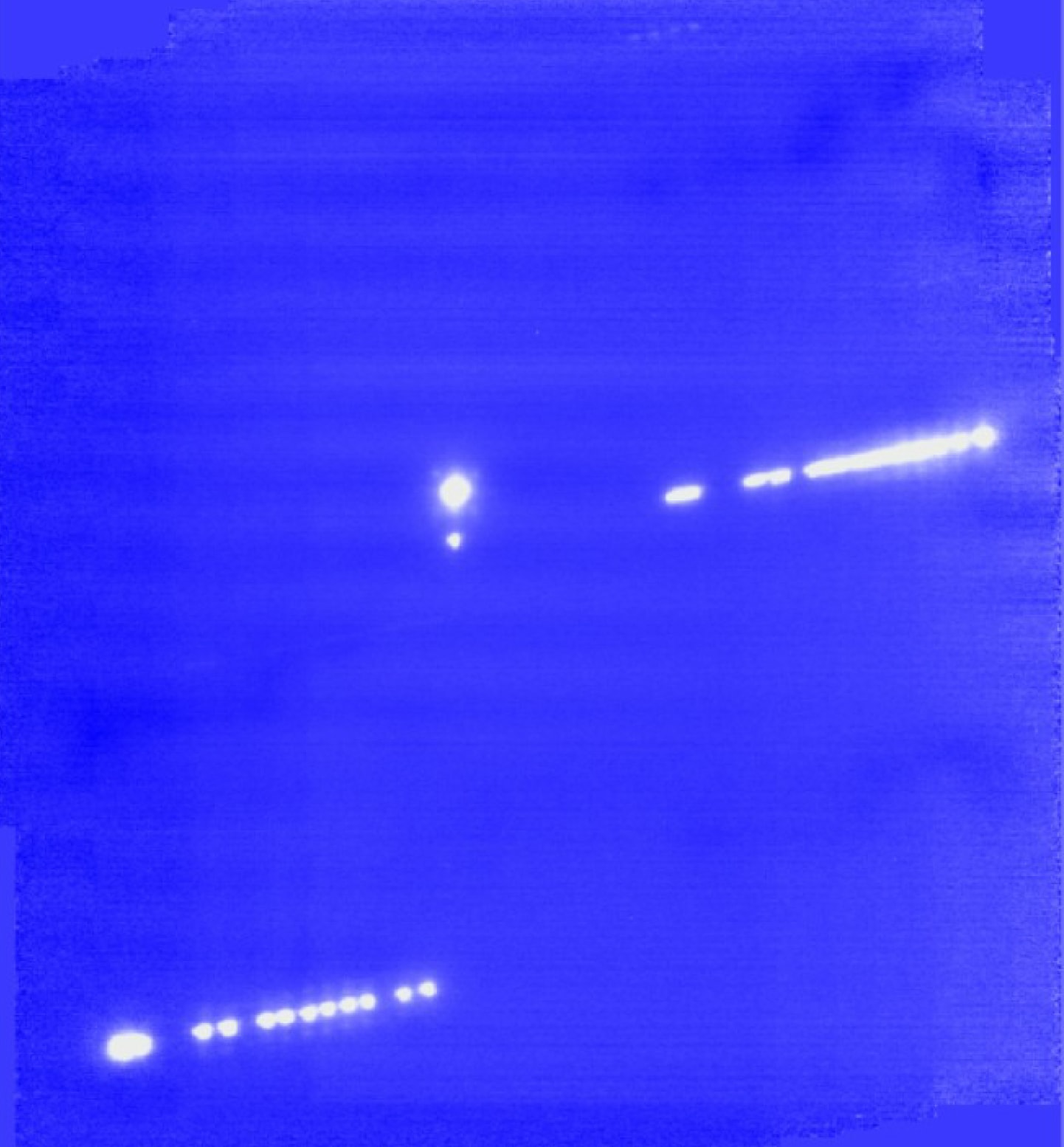
- Pluto-Charon systemEuropean Southern Observatory (ESO)Published January 4, 2006Accessed November 5, 2026
Image released 4 January 2006; the composite was captured about one to three hours before a stellar occultation.
Keep exploring
Measuring stellar distances with parallax
Parallax links a star’s annual apparent shift to distance; noise and calibration determine confidence.
Read story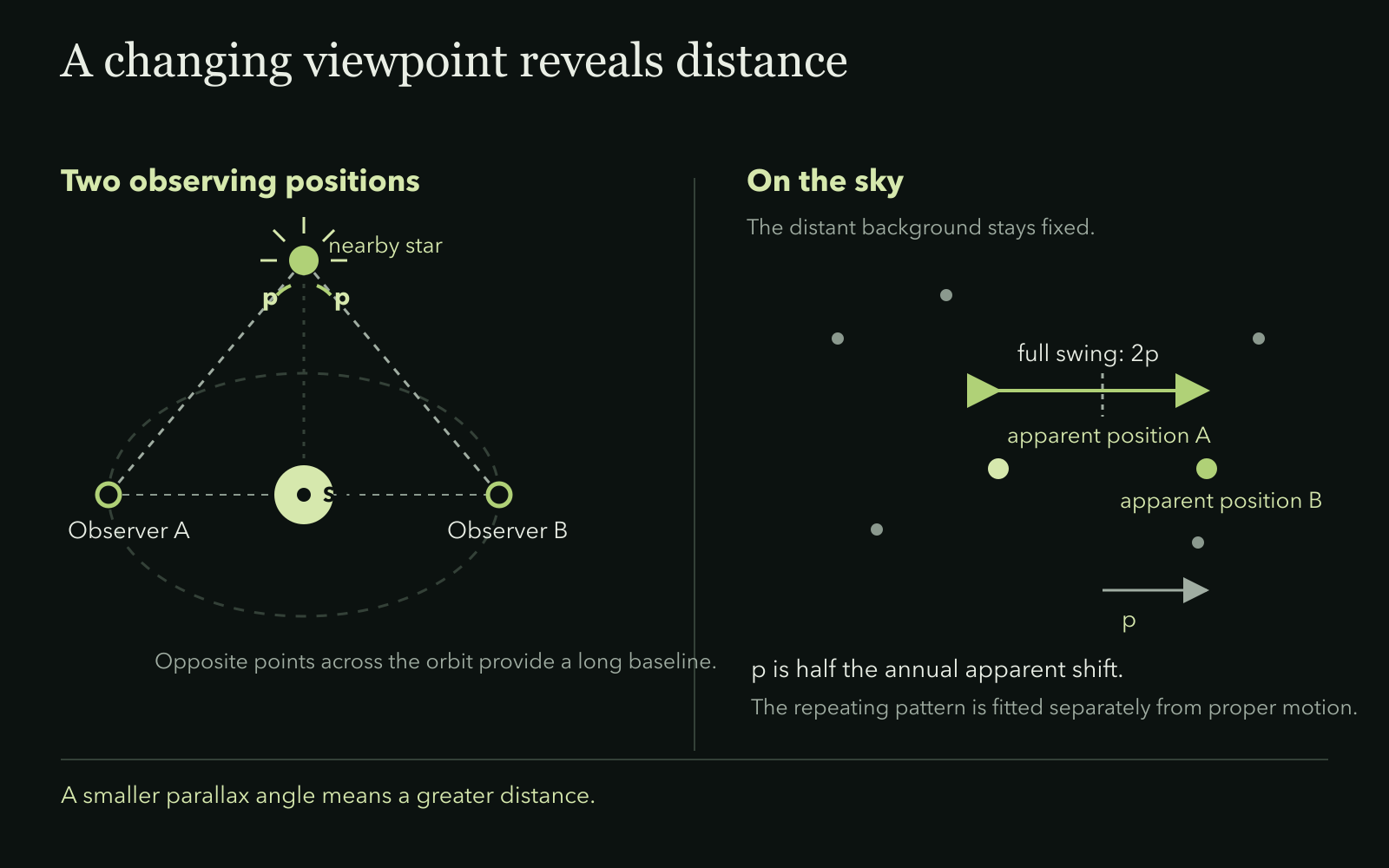
How gravity assists redirect spacecraft
A moving planet can trade a tiny amount of orbital energy when its gravity bends a spacecraft’s path.
Read story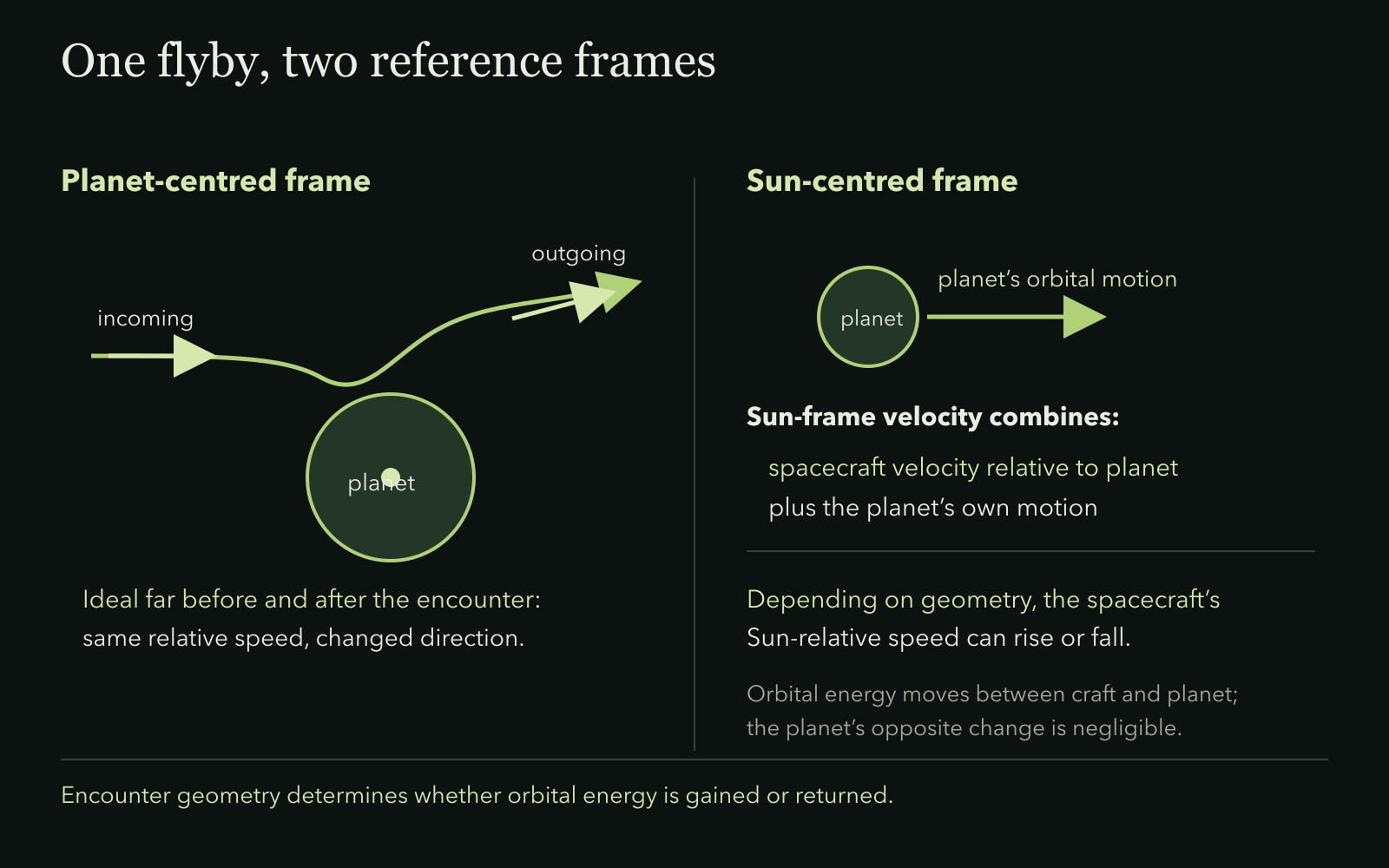
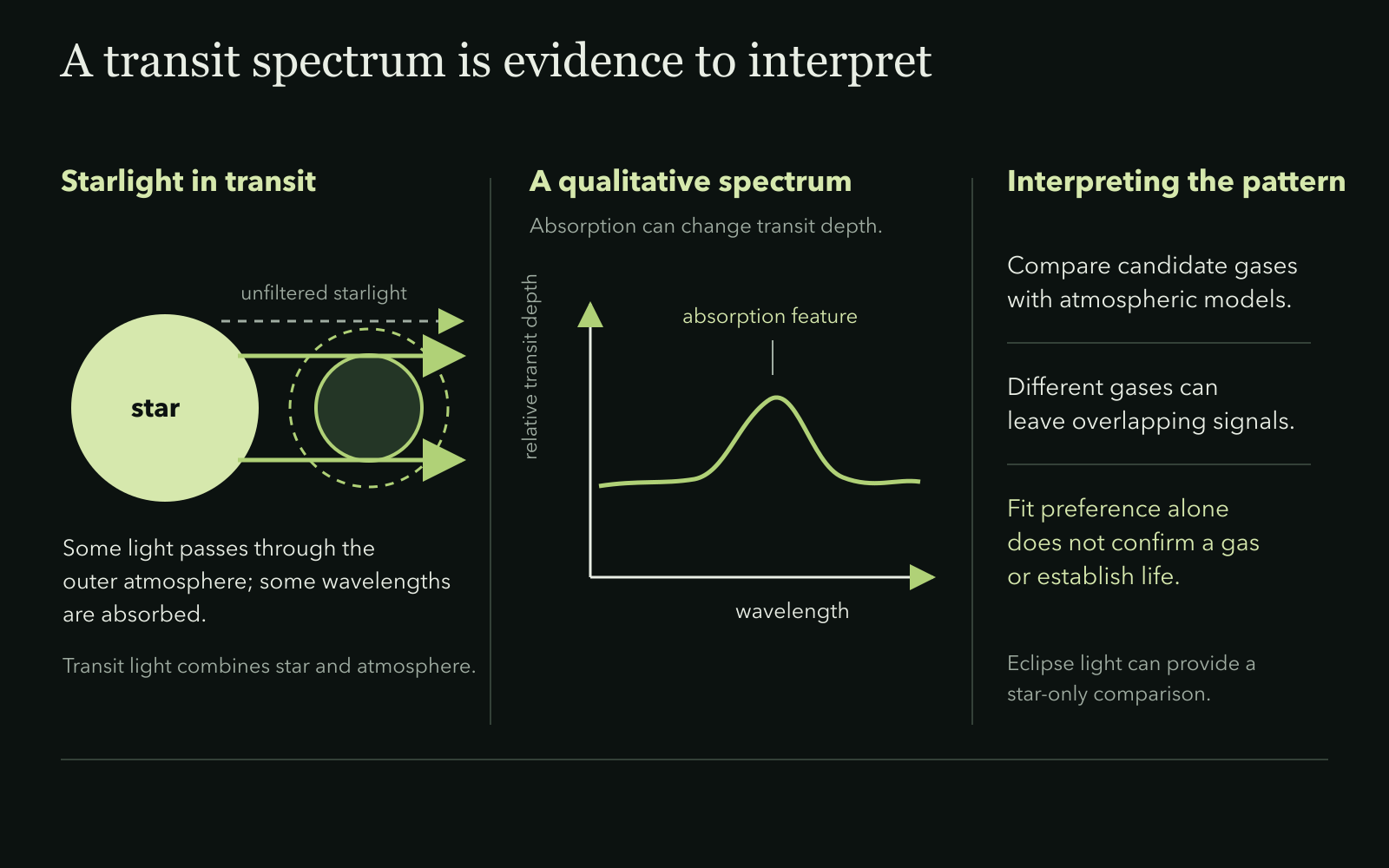
What exoplanet spectra can and cannot show
Transit spectra suggest chemistry, but overlapping signals limit claims about atmospheres and life.
Read story