How ERMIS-3 held a laser link on target
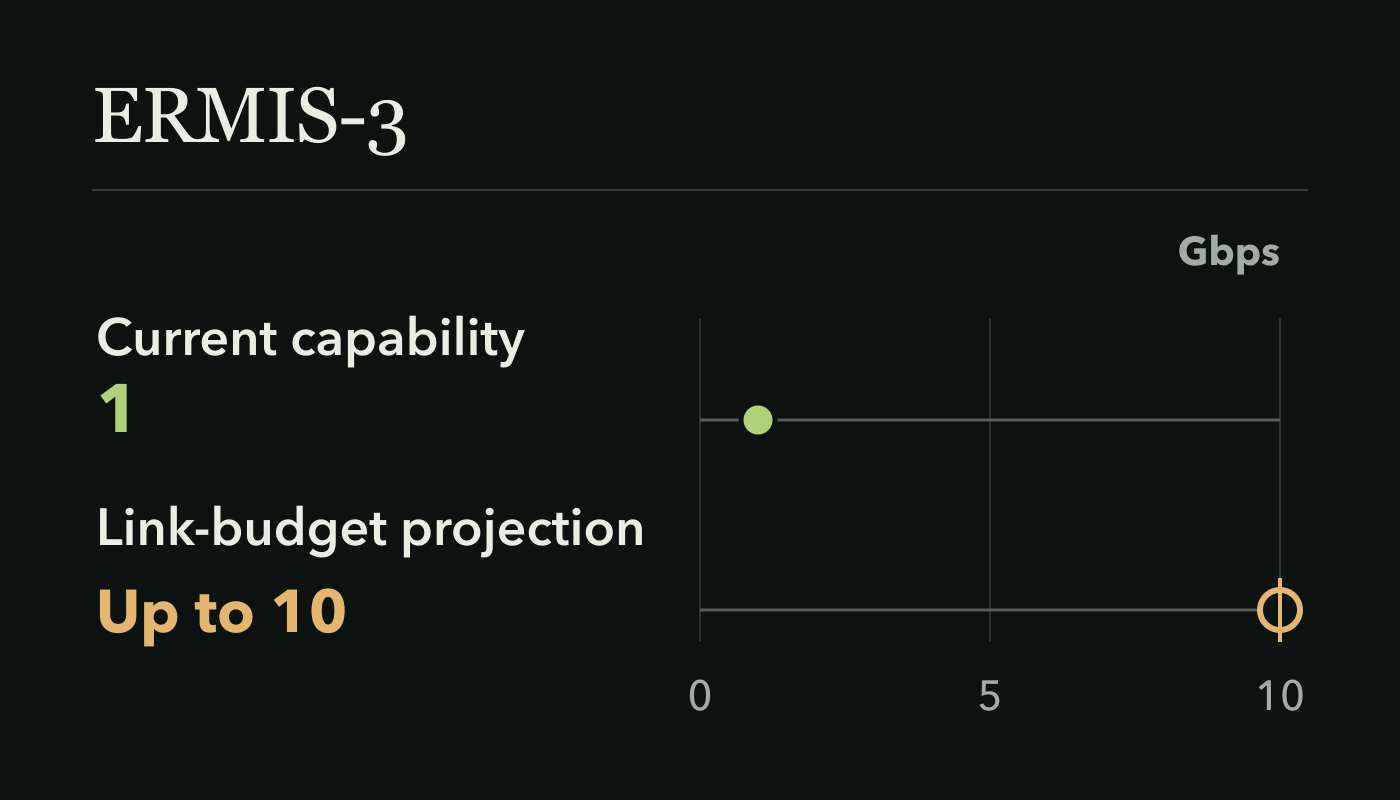
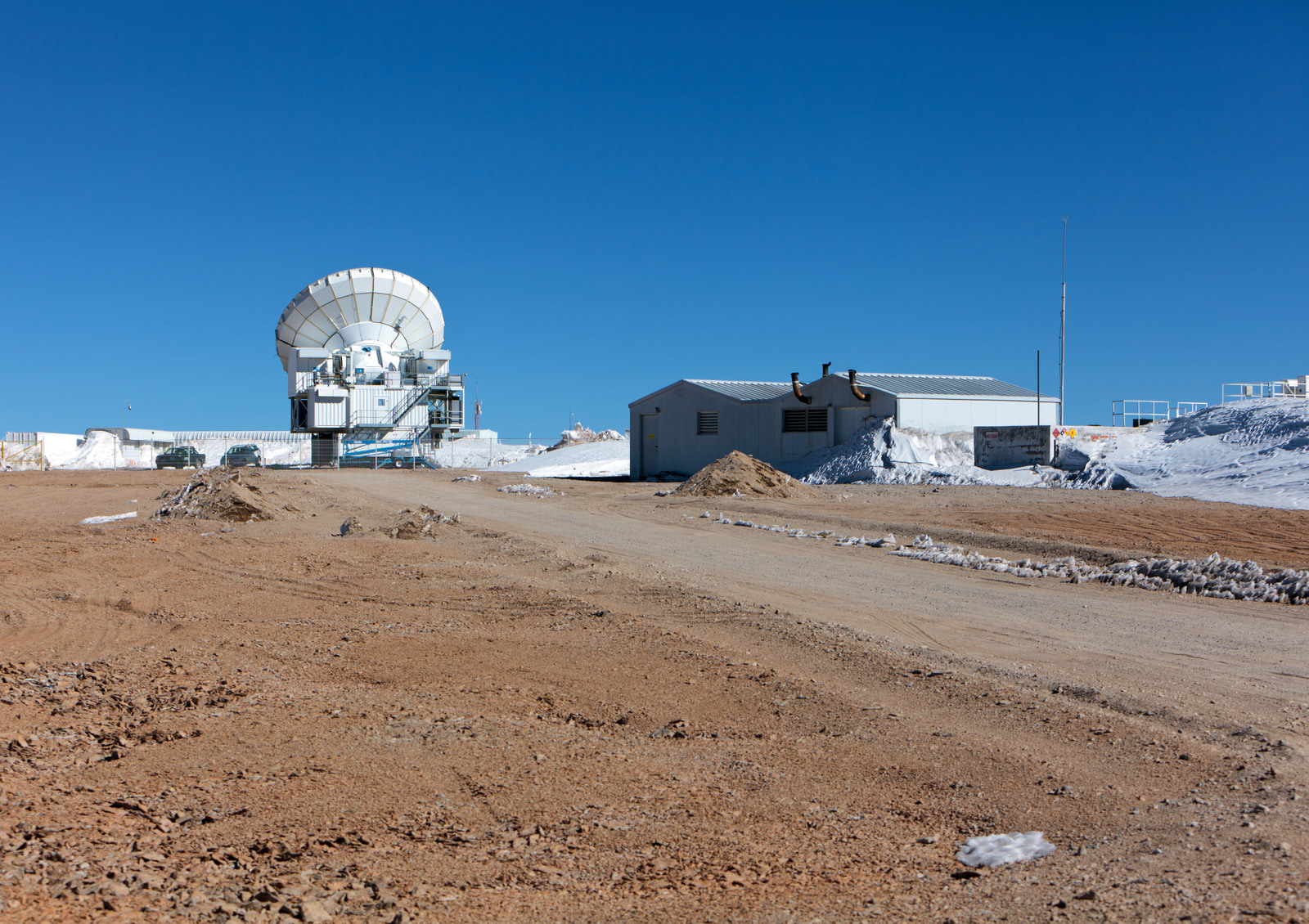
An ERMIS-3 laser downlink tests tracking; AUTh reports 1 Gbps capability and link-budget potential up to 10 Gbps.
Read storyDiscoveries, ideas, and the stories behind what we learn when we look up.
An ERMIS-3 laser downlink tests tracking; AUTh reports 1 Gbps capability and link-budget potential up to 10 Gbps.
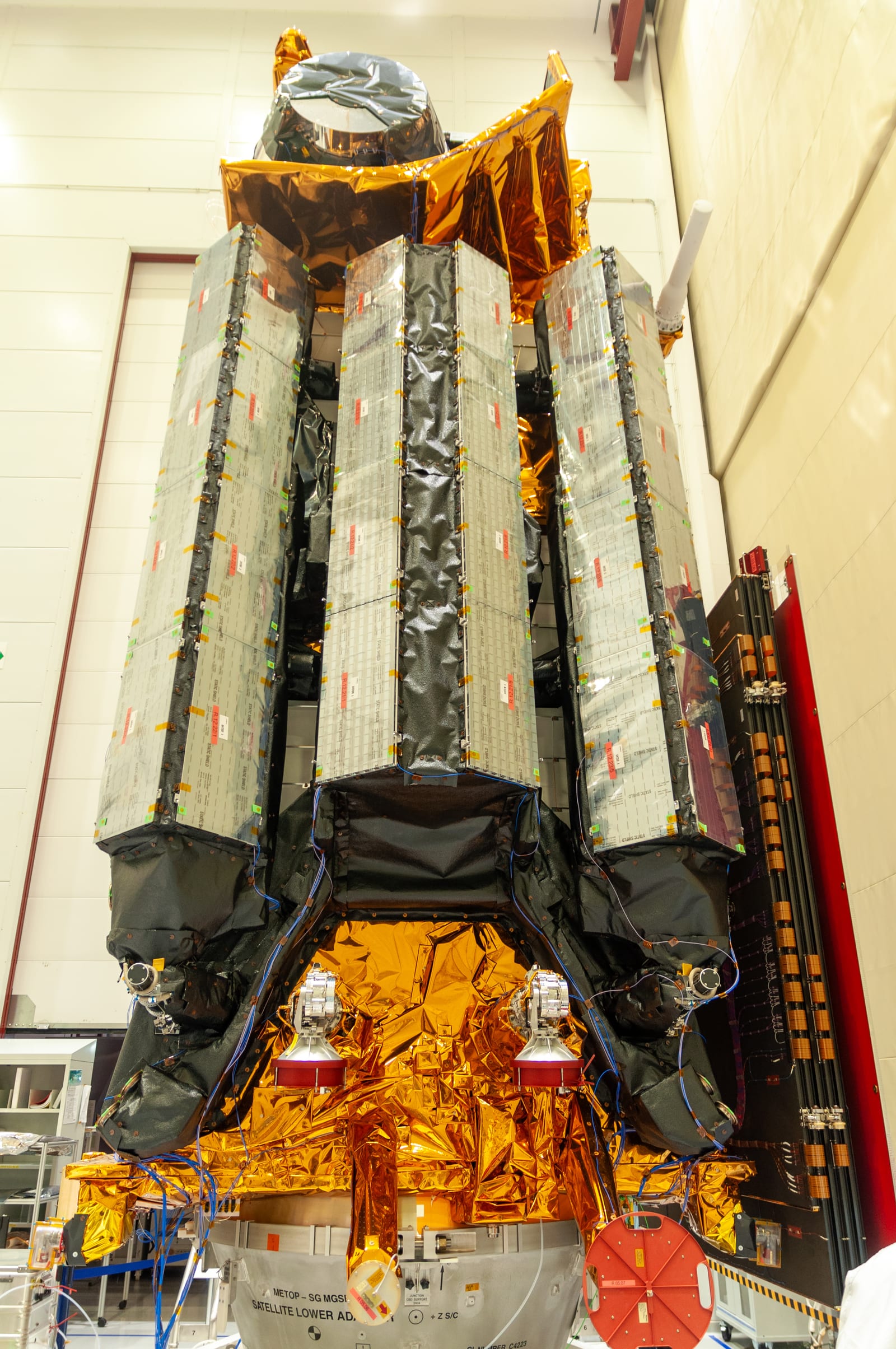
Read storyMetOp-SG-B1 has left storage in French Guiana as ESA prepares for reactivation, checks, fuelling and a planned year-end launch.
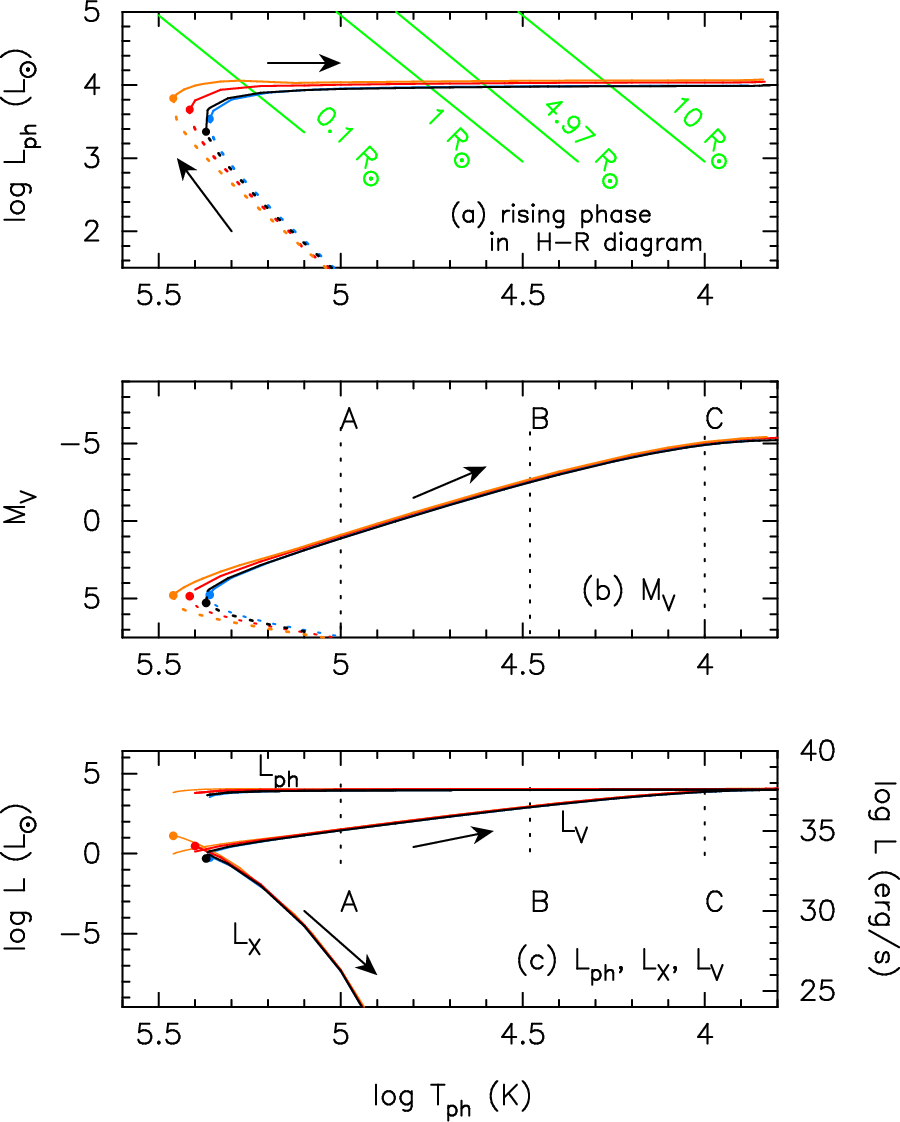
Read storyA model links Gaia22alz’s wind to its companion but cannot simulate the transition.
Read storyA preprint reports confirmation of a 3.27-day planet using transits and stellar-wobble measurements.
Read storyThe fit places it two years before explosion; wind speed, gas shape and light production affect the estimate.
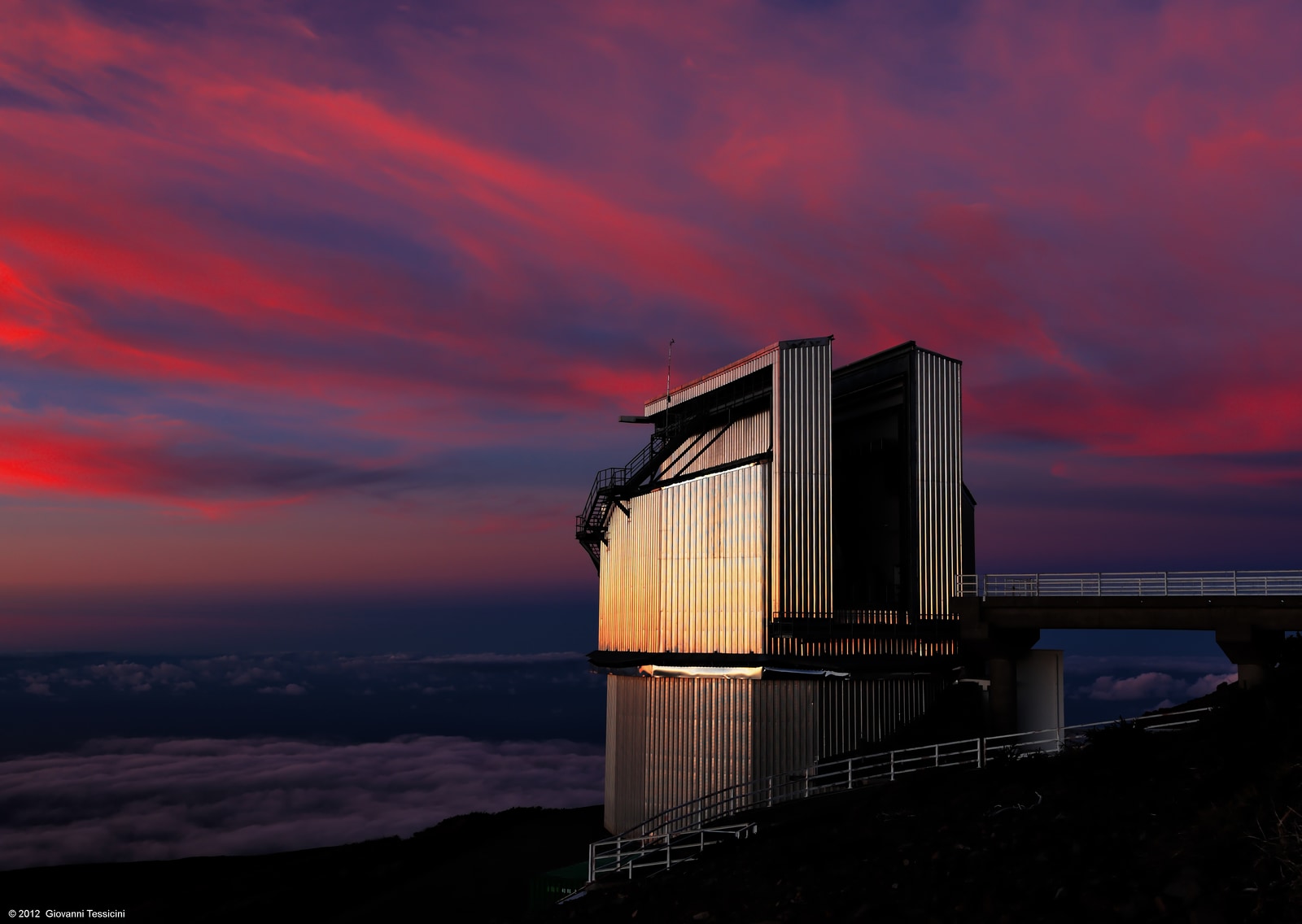
Read storyLasers make sodium beacons that help adaptive-optics systems measure atmospheric blur, while natural stars provide a reference for overall image motion.
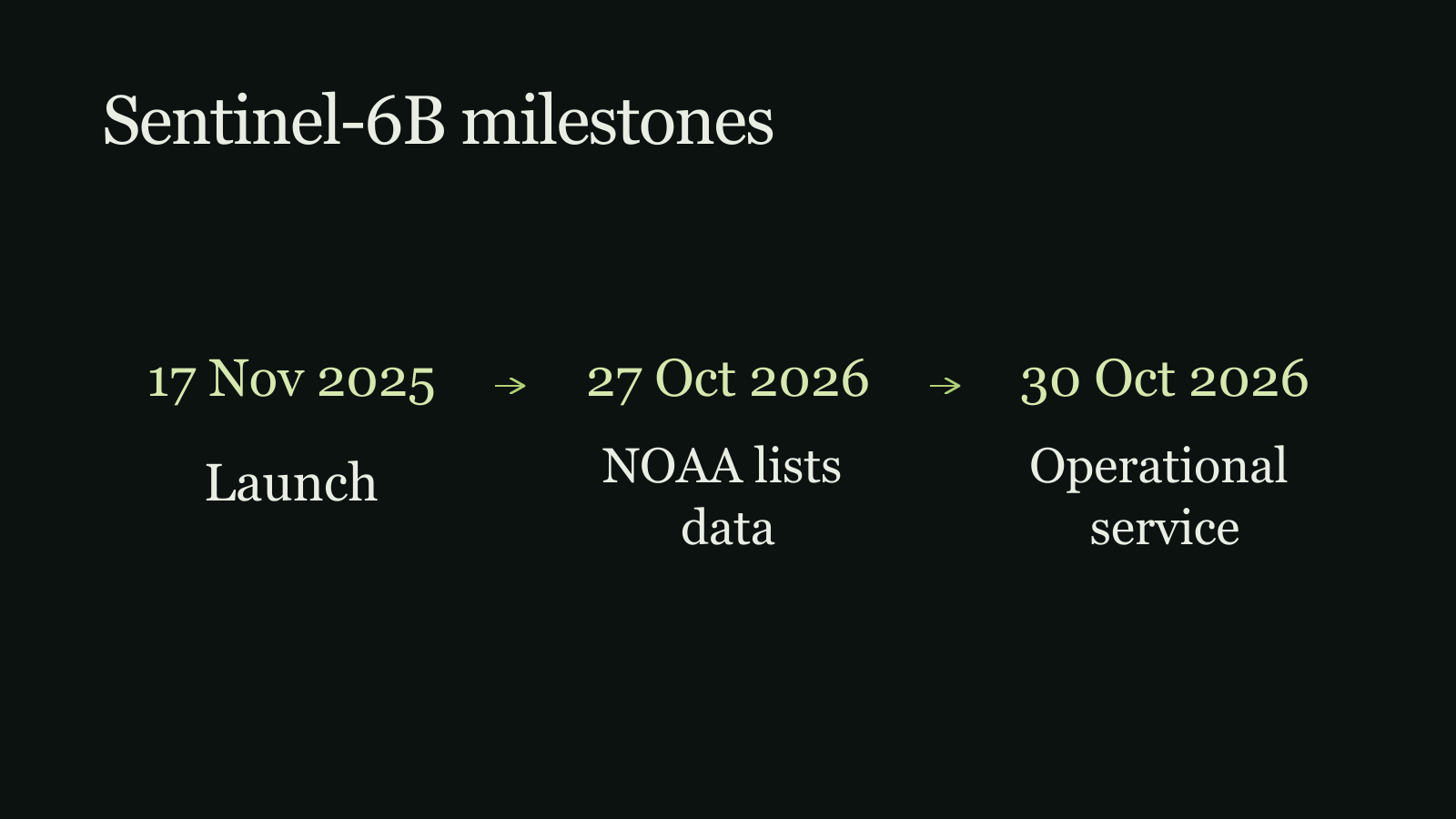
Read storySentinel-6B began operational service on 30 October after cross-validation with its twin. An earlier NOAA bulletin already listed its data.
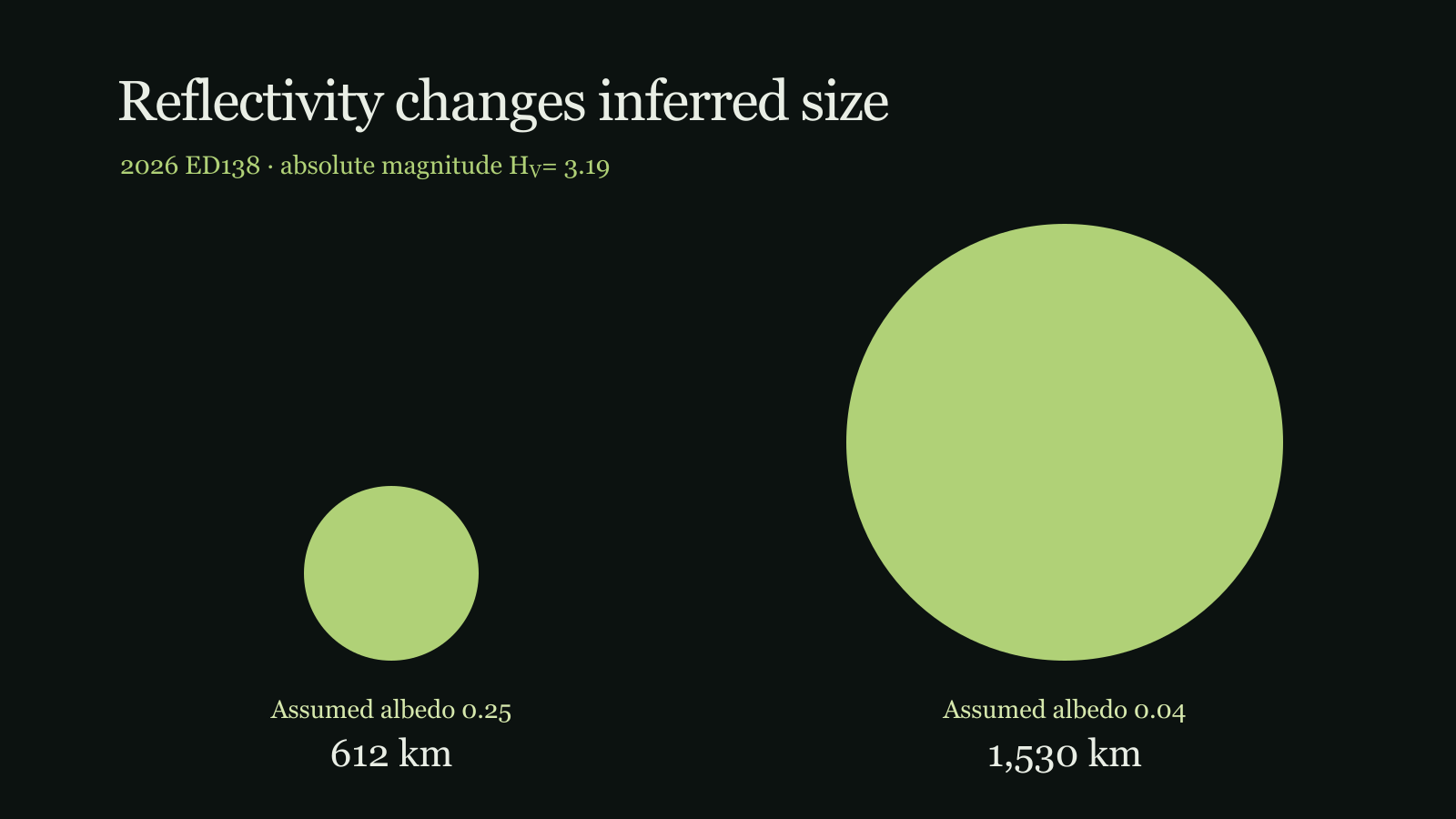
Read storyPreprints add old ground and space observations to Rubin’s dwarf-planet candidate; its diameter remains uncertain.
Read storyAn October 30 arXiv preprint reports CW-LRD-z10’s spectroscopic redshift; its classification and power source remain uncertain.
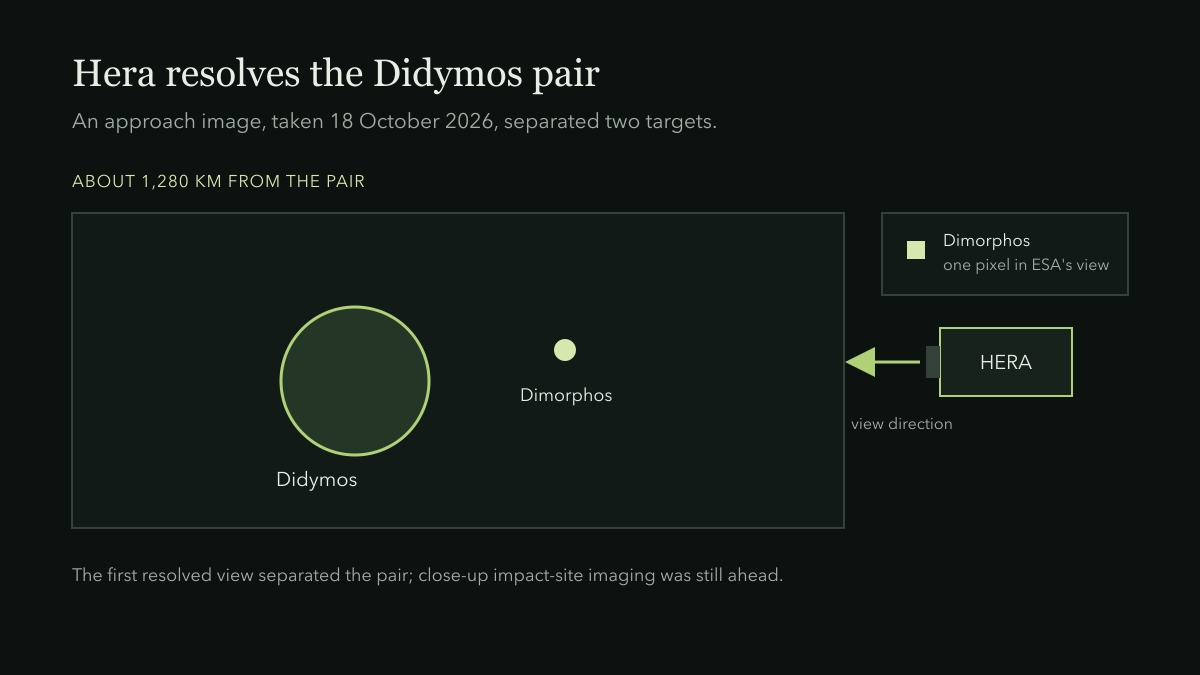
Read storyHera's 18 October 2026 image separated Didymos and Dimorphos during its approach to the post-impact survey.
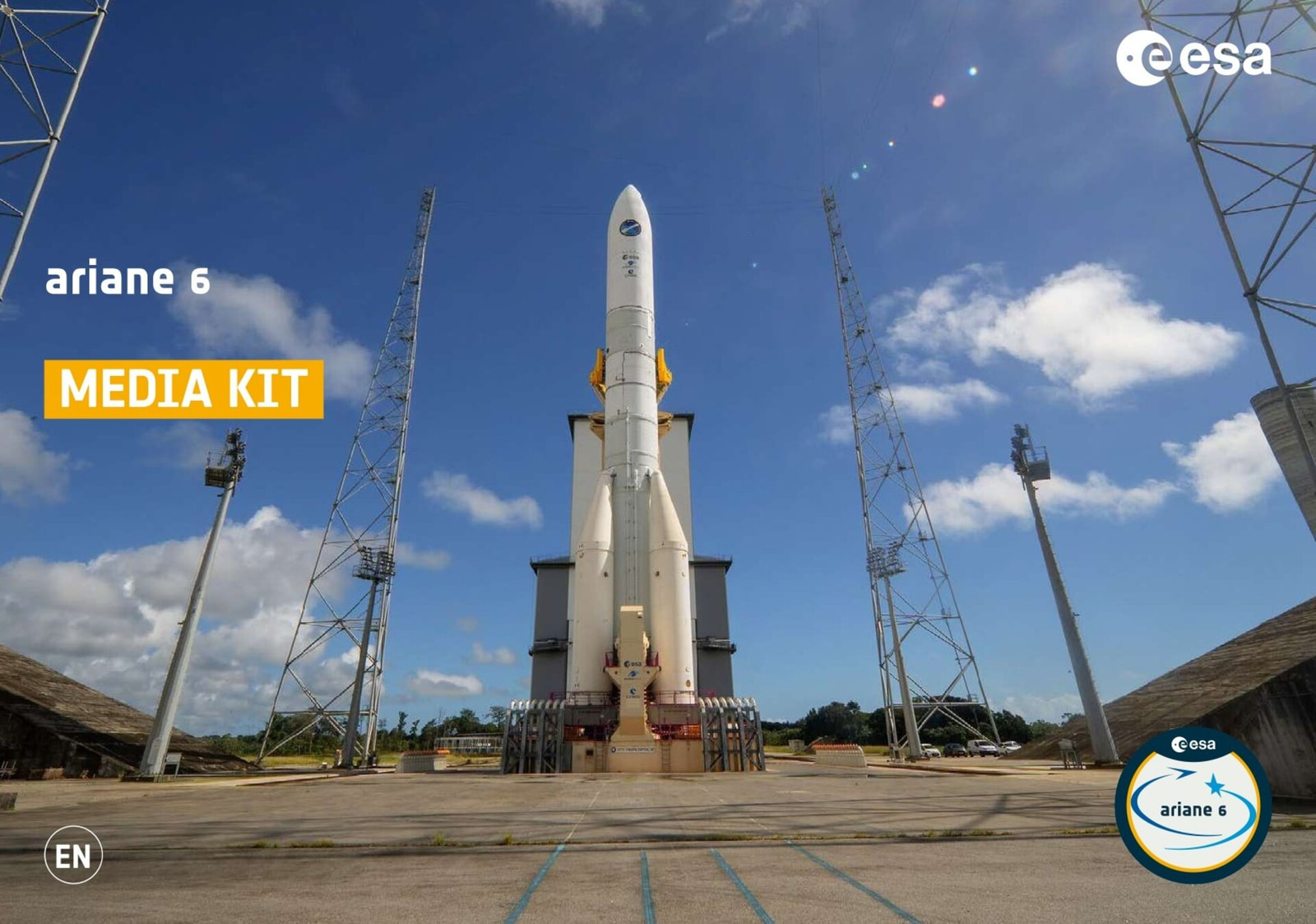
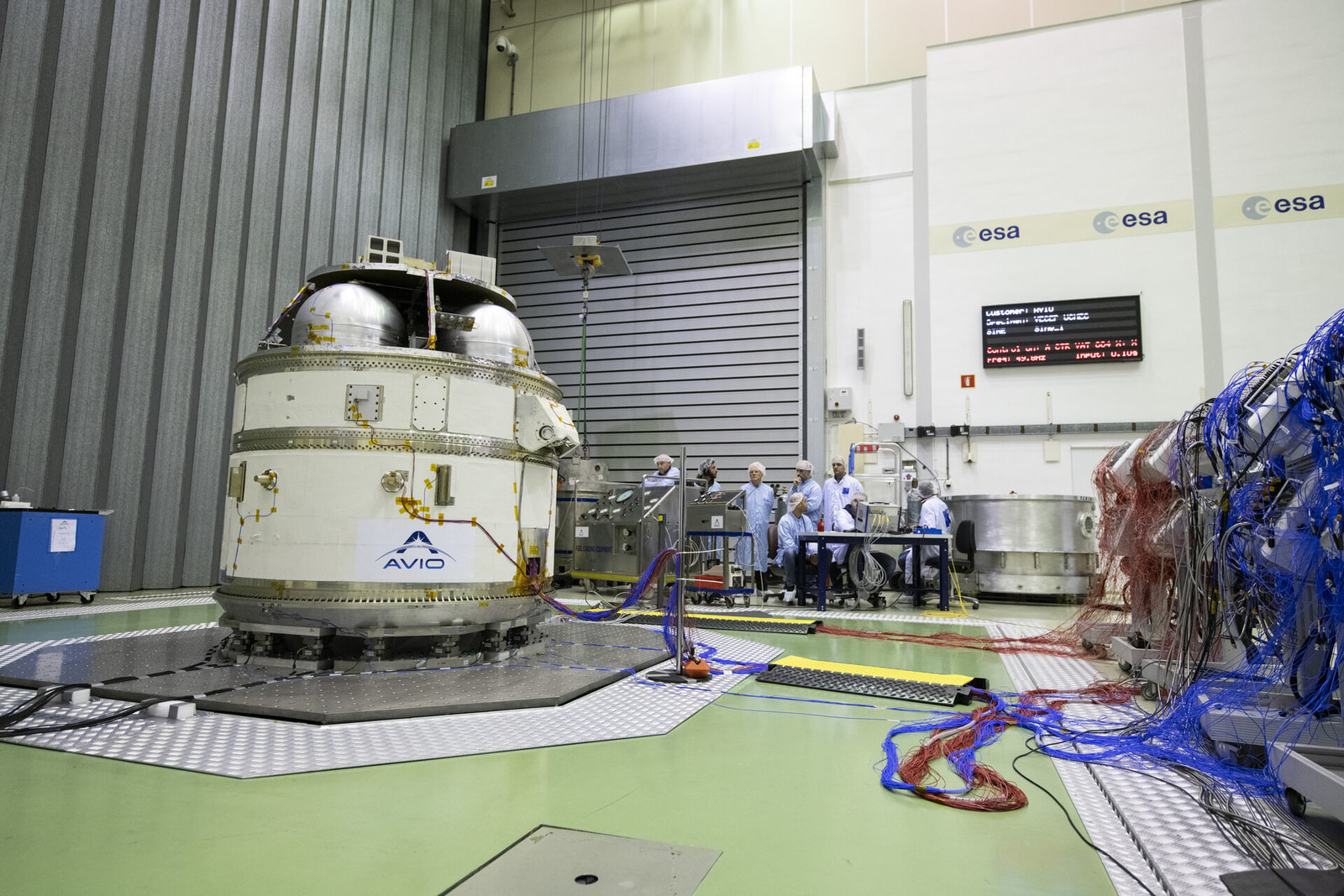
Read storyThe July 2024 maiden flight deployed eight passengers after two Vinci burns, but an auxiliary-unit shutdown prevented its planned final burn.
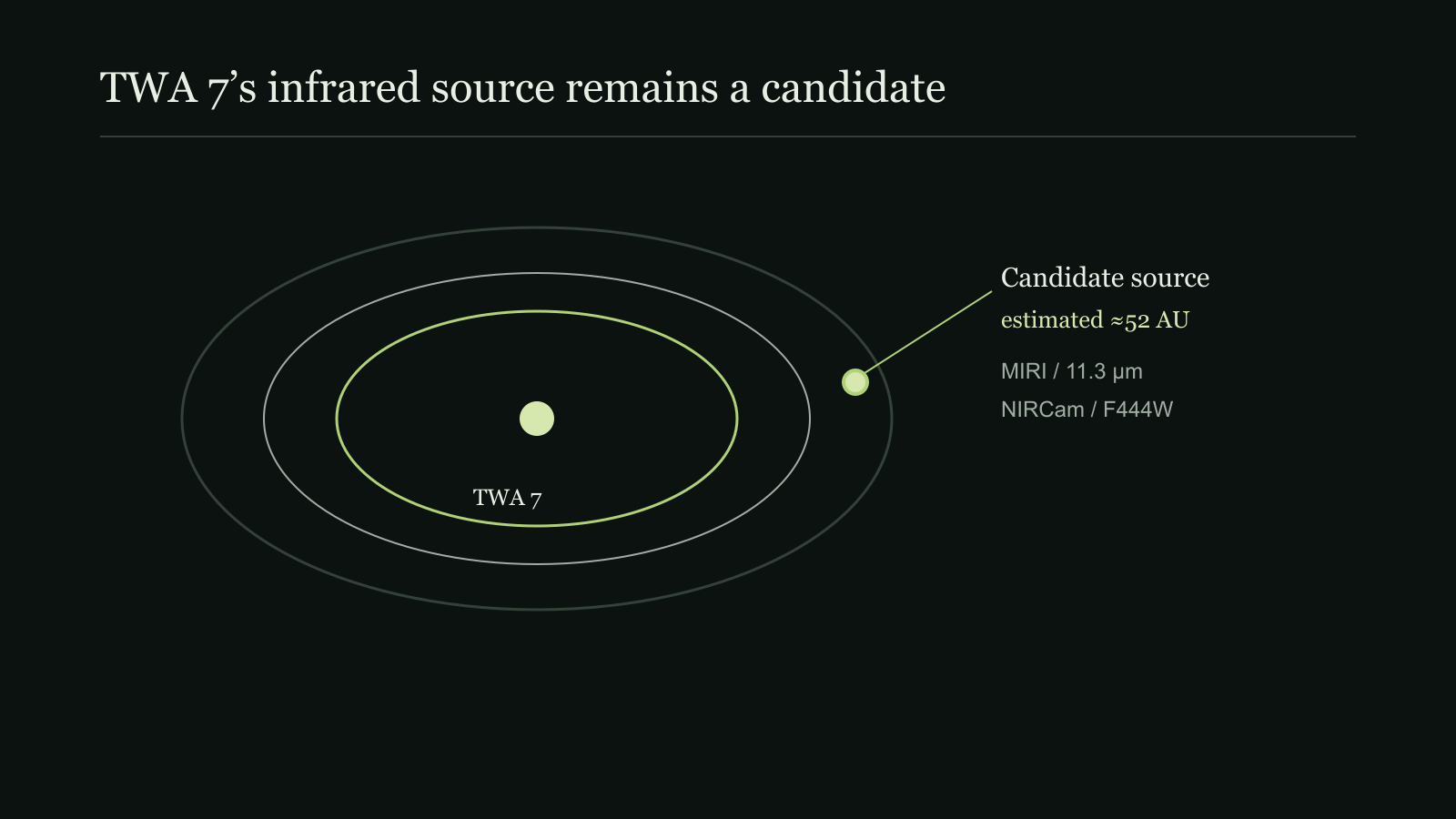
Read storyA JWST source observed in 2024 fits a cool companion, while follow-up supports the interpretation without yet testing shared motion.
Read storyESPRESSO measured a short-period sub-Earth-mass world; later instruments tested the signal and refined which other signals count as planets.
Read storyTimings from 2024 moved AU Mic c back toward its predicted schedule; the size and cause of the variation remain uncertain.
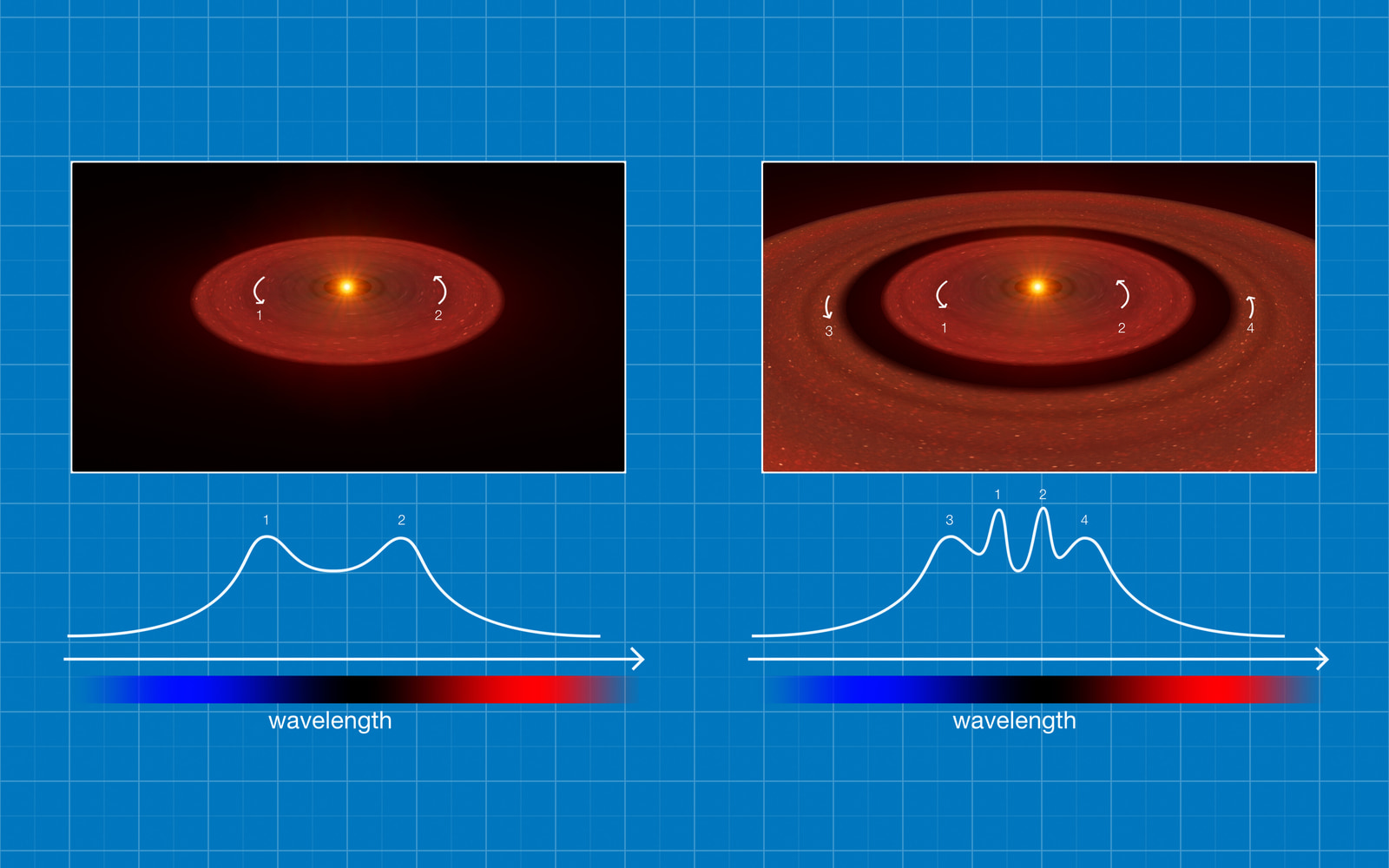
Read storyAn unusual light spectrum supports a two-ring model around white dwarf J1328−1450, with alternatives still considered.
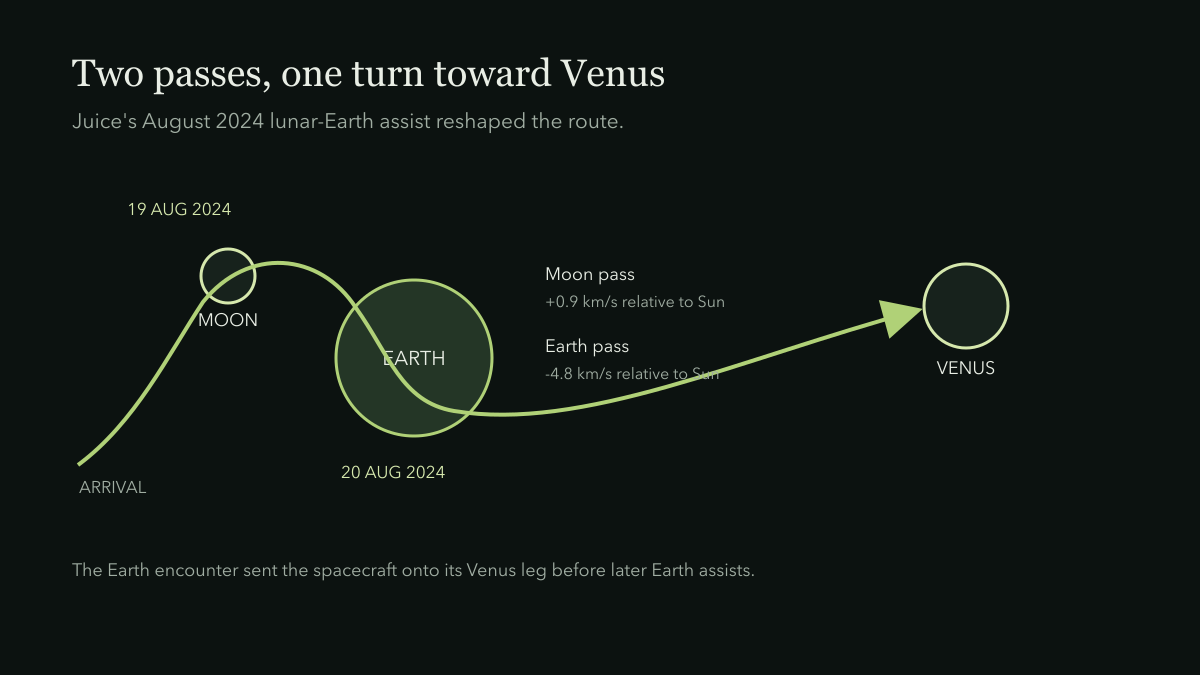
Read storyThe double assist sent Juice toward Venus before later legs to Jupiter.
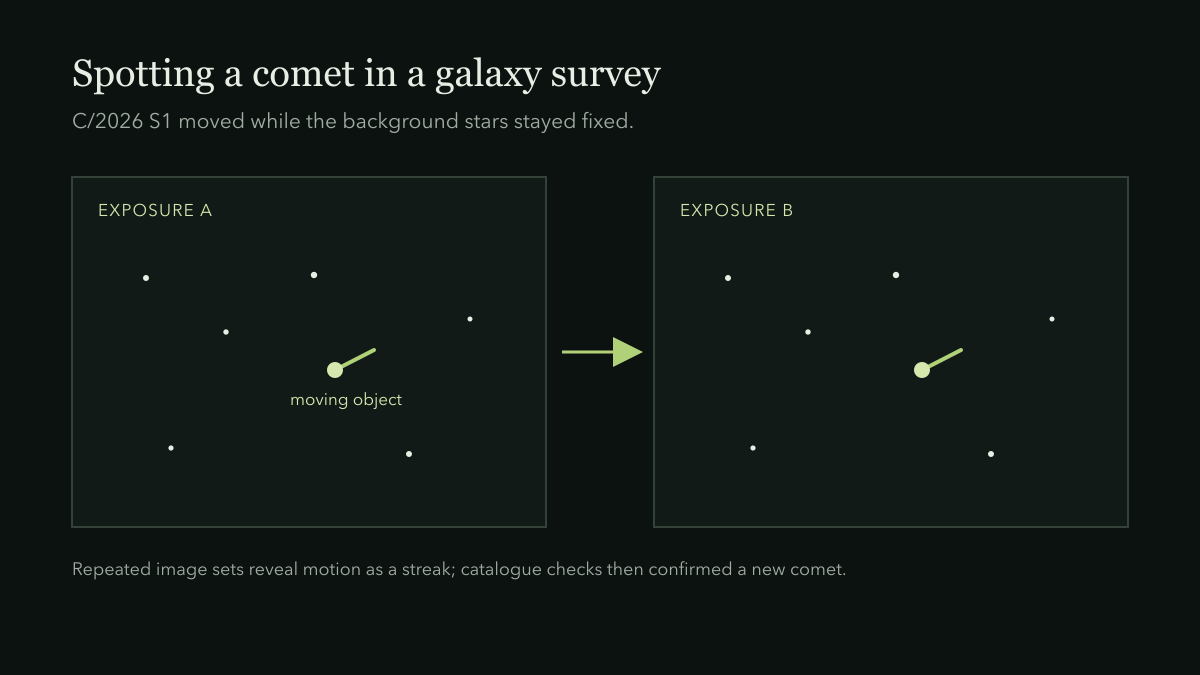
Read storyC/2026 S1 turned up in galaxy-survey images; catalogues confirmed a first for the mission.
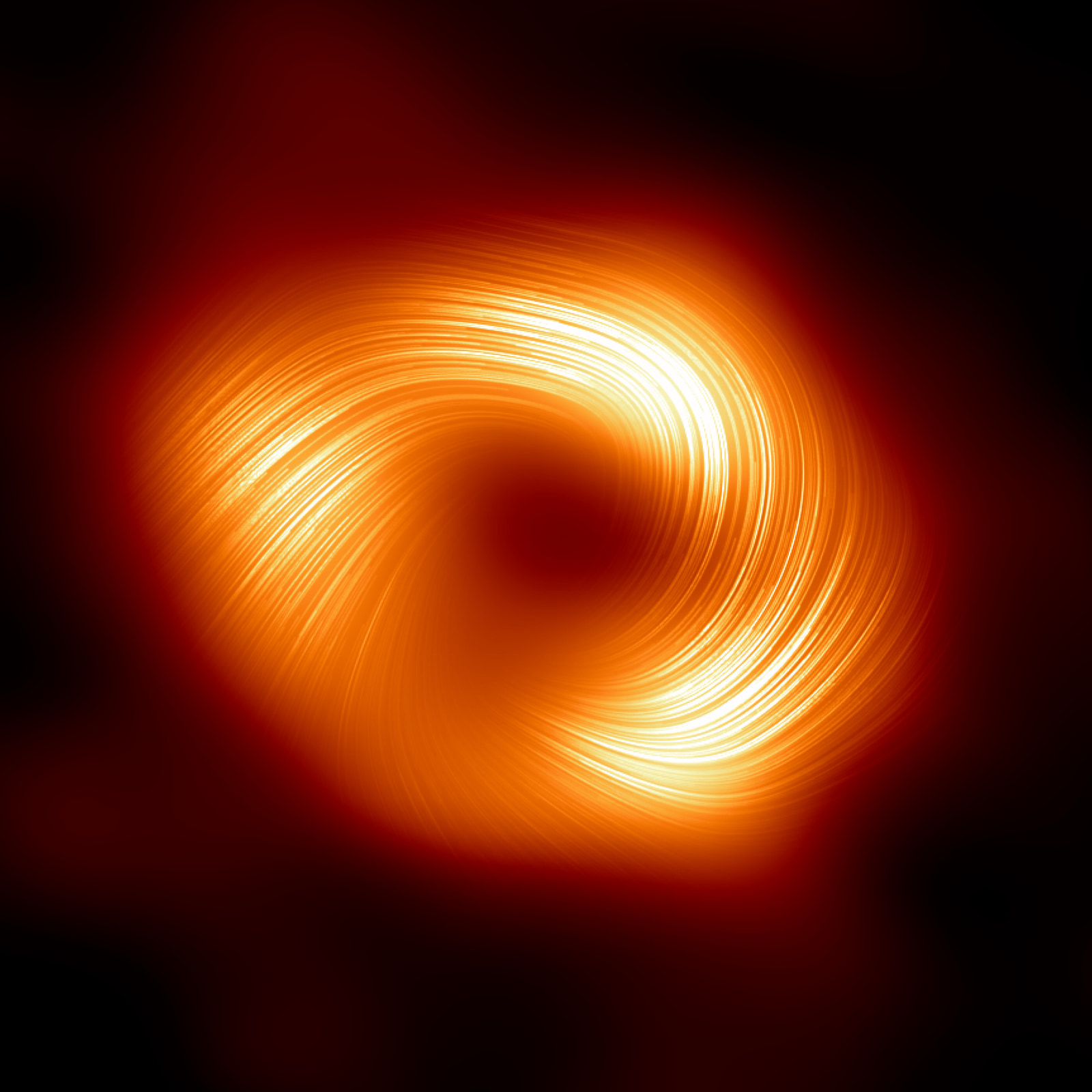
Read storyA 2024 polarization image revealed a robust spiral pattern, while the surrounding plasma and magnetic field still require interpretation.
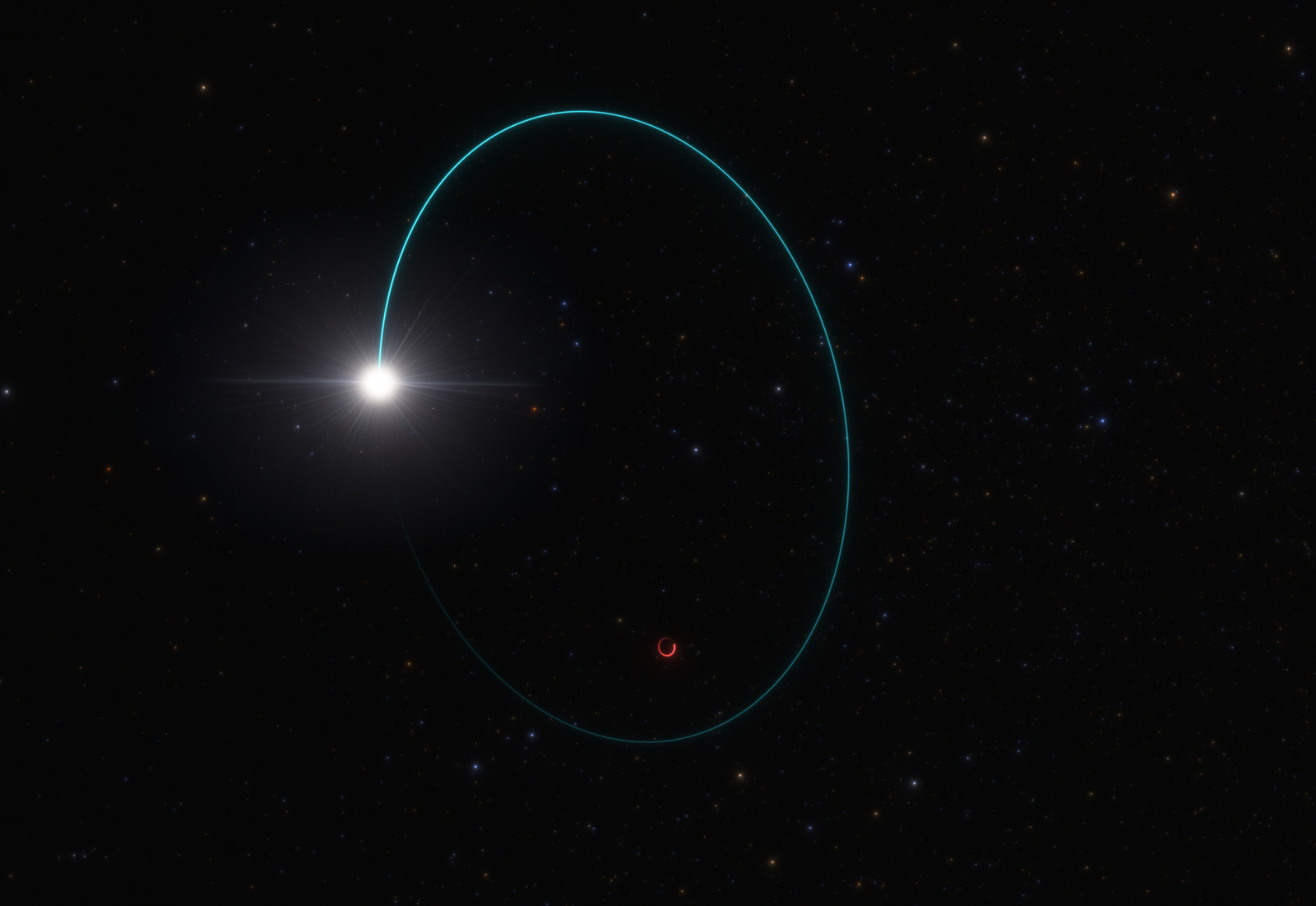
Read storyThe 2024 announcement described a massive dark companion and a tentative clue from its star.
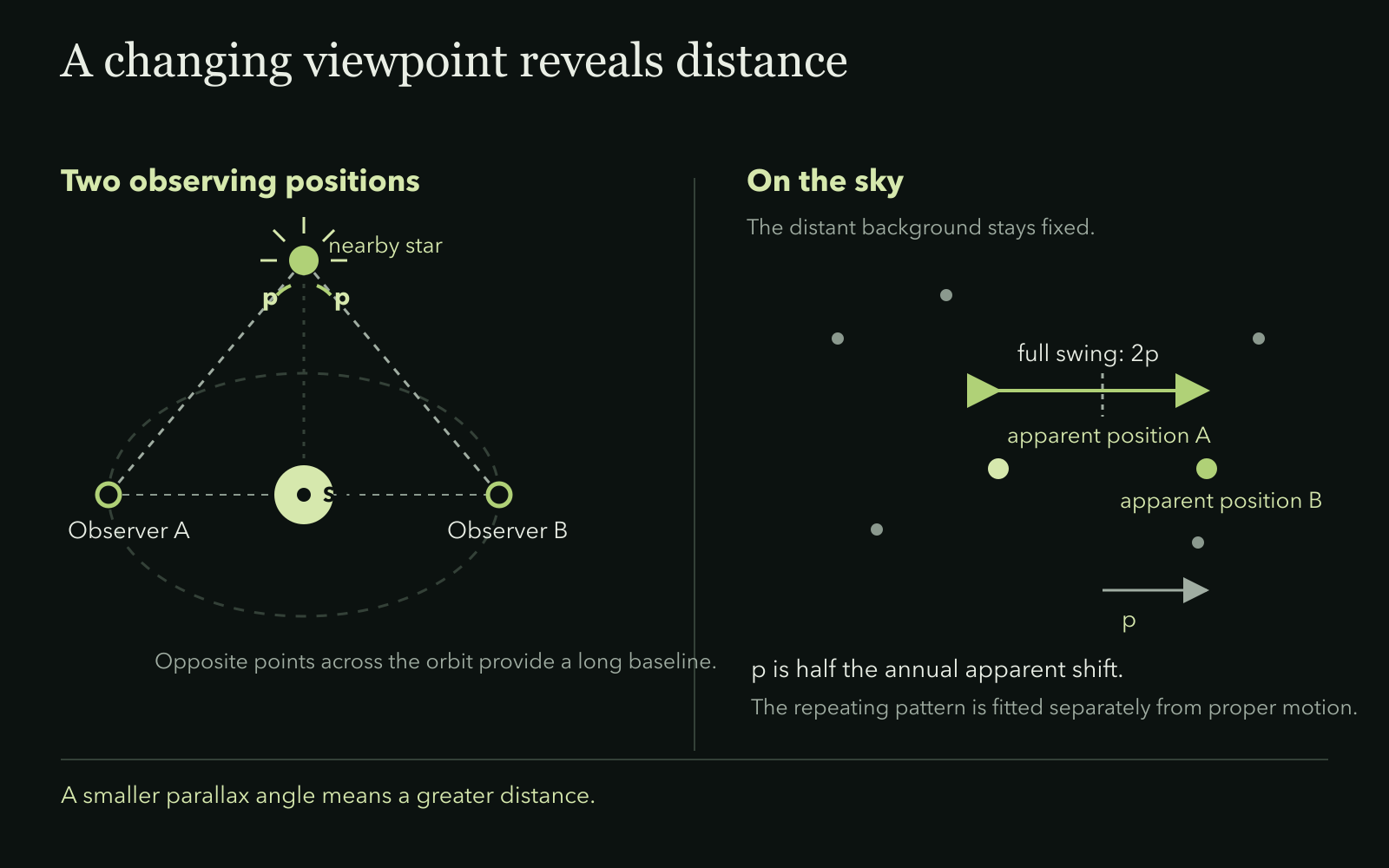
Read storyParallax links a star’s annual apparent shift to distance; noise and calibration determine confidence.
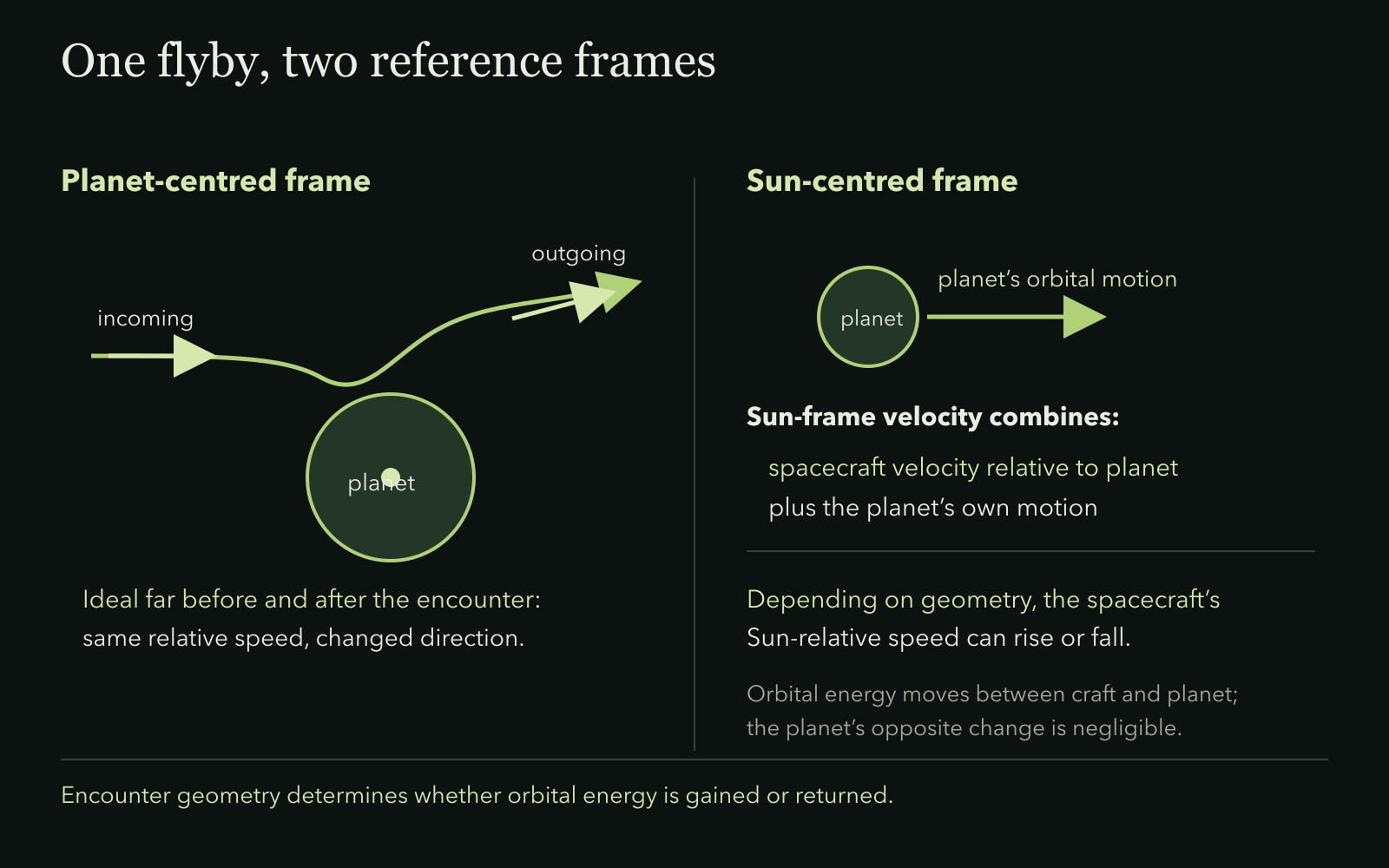
Read storyA moving planet can trade a tiny amount of orbital energy when its gravity bends a spacecraft’s path.
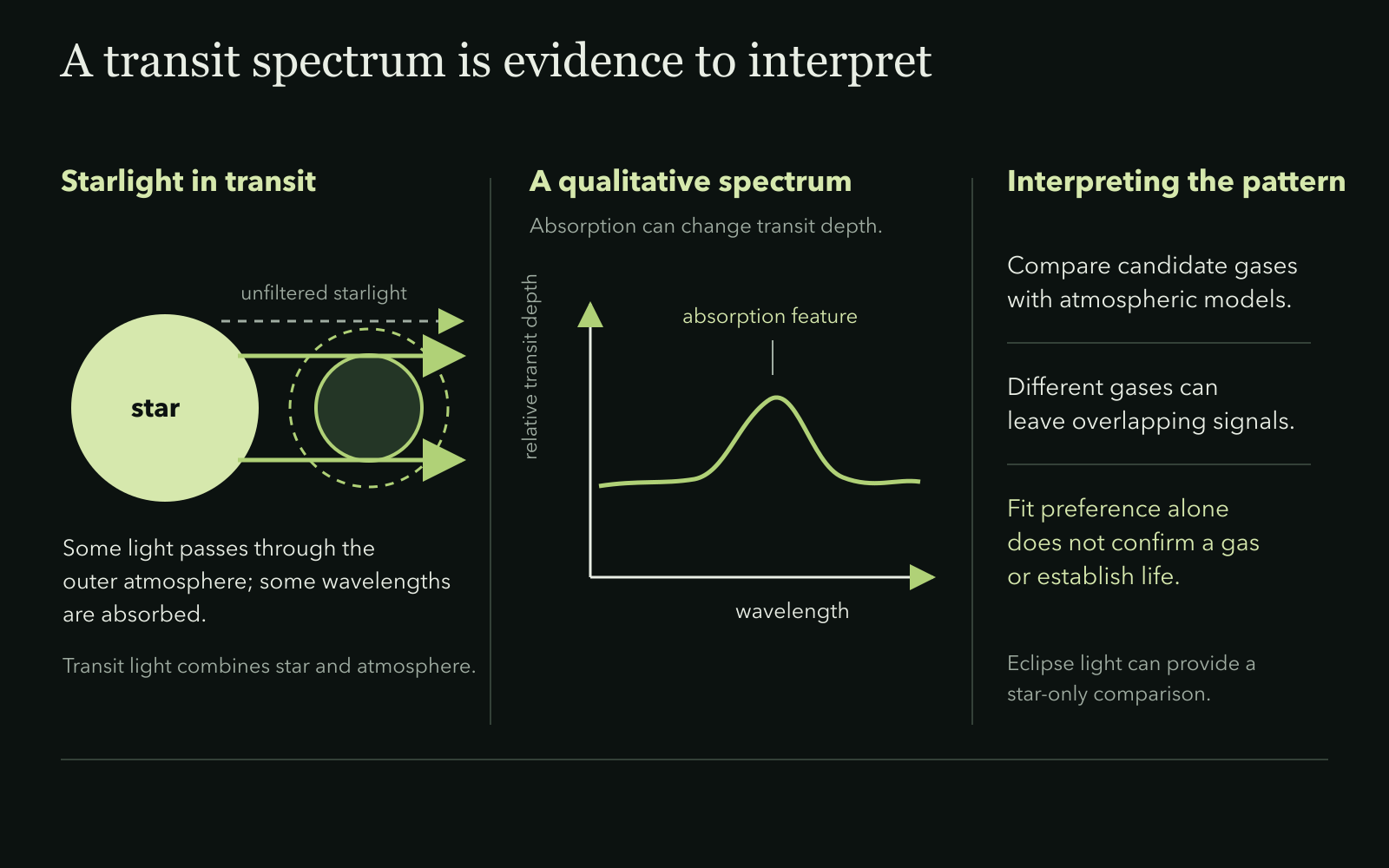
Read storyTransit spectra suggest chemistry, but overlapping signals limit claims about atmospheres and life.
Read storySentinel-3C rode above FLEX; the spacecraft separated in sequence, about an hour apart, into different orbits.
Read storyAfter a 2022 second-stage failure, Vega-C returned with a redesigned nozzle and two test firings behind it; its launch record now extends through 2026.
Read storyA floating section over 76 km² detached after years of fracture growth; radar dates the event but does not assign its cause.
Read storyRadar, lidar, multispectral imaging and radiation measurements track different parts of the cloud–aerosol system.
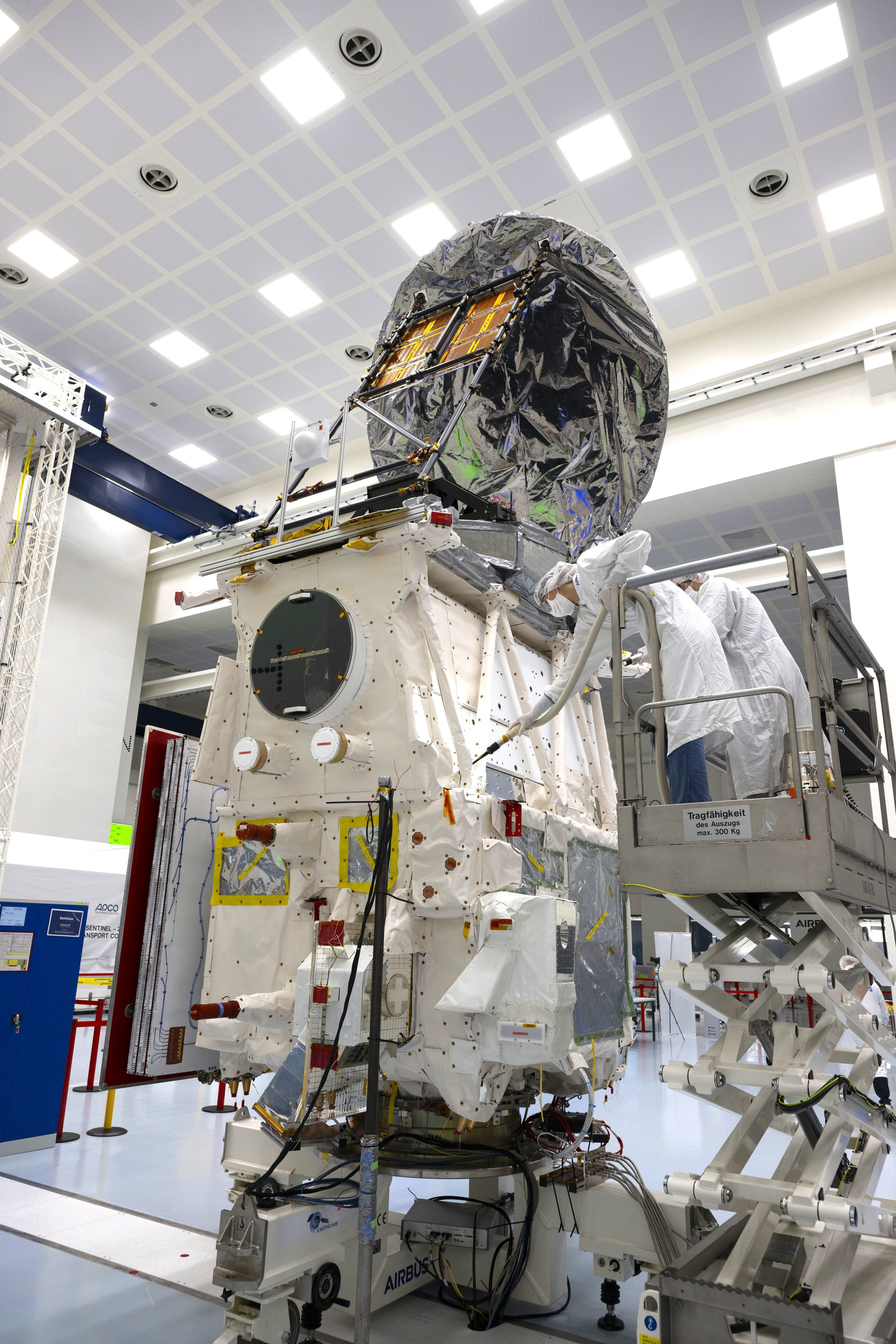
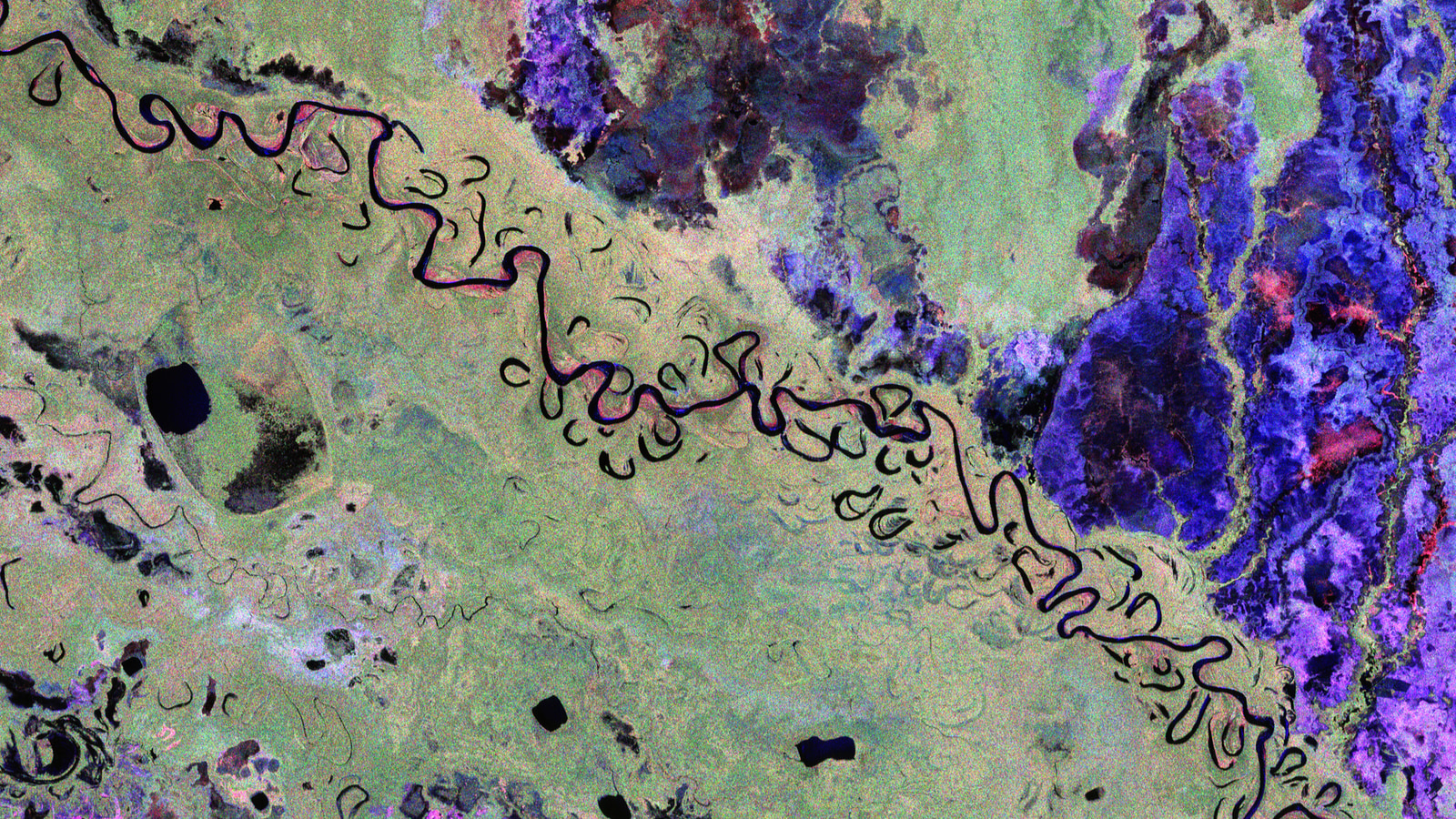
Read storyP-band radar measures woody biomass as a carbon-storage proxy; repeated scenes will support estimates of forest height and stock change.
Read storyRadio observations track April gas outbursts; the inferred mass loss depends on modelling assumptions.
Read storyNo stories match those filters. Clear the search or choose “All stories” to see the full archive.