Why planet migration models need changing timescales
Near one 2:1 resonance, simulations show changing disk torques can defeat fixed migration and damping timescales.
Read storyDiscoveries, ideas, and the stories behind what we learn when we look up.
Near one 2:1 resonance, simulations show changing disk torques can defeat fixed migration and damping timescales.
Read storyA measured surface field filters interior models, but assumptions leave multiple core compositions possible.
Read storyA Voyager 2 reanalysis and an Earth comparison suggest one possible mechanism, but leave its cause unconfirmed.
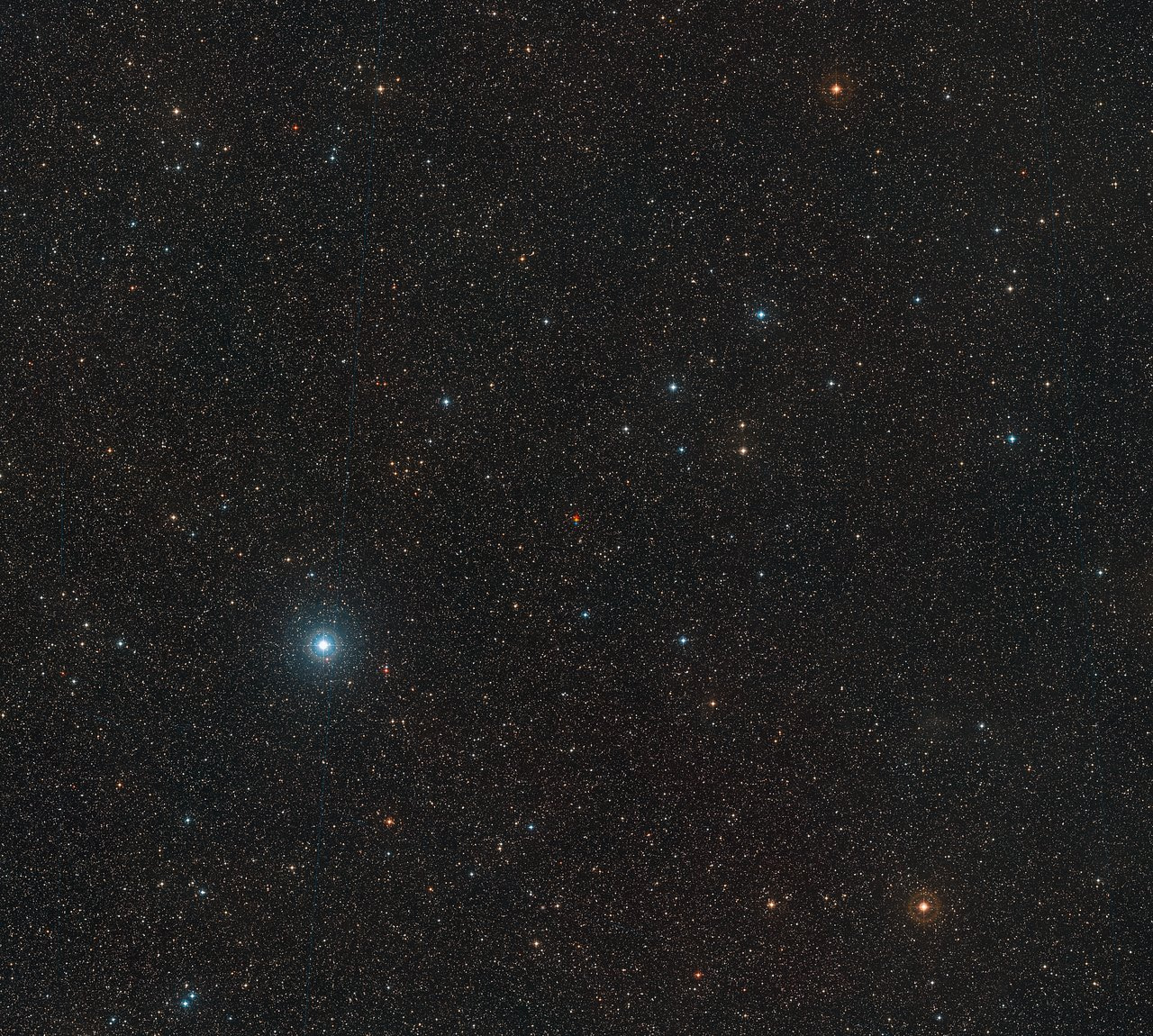
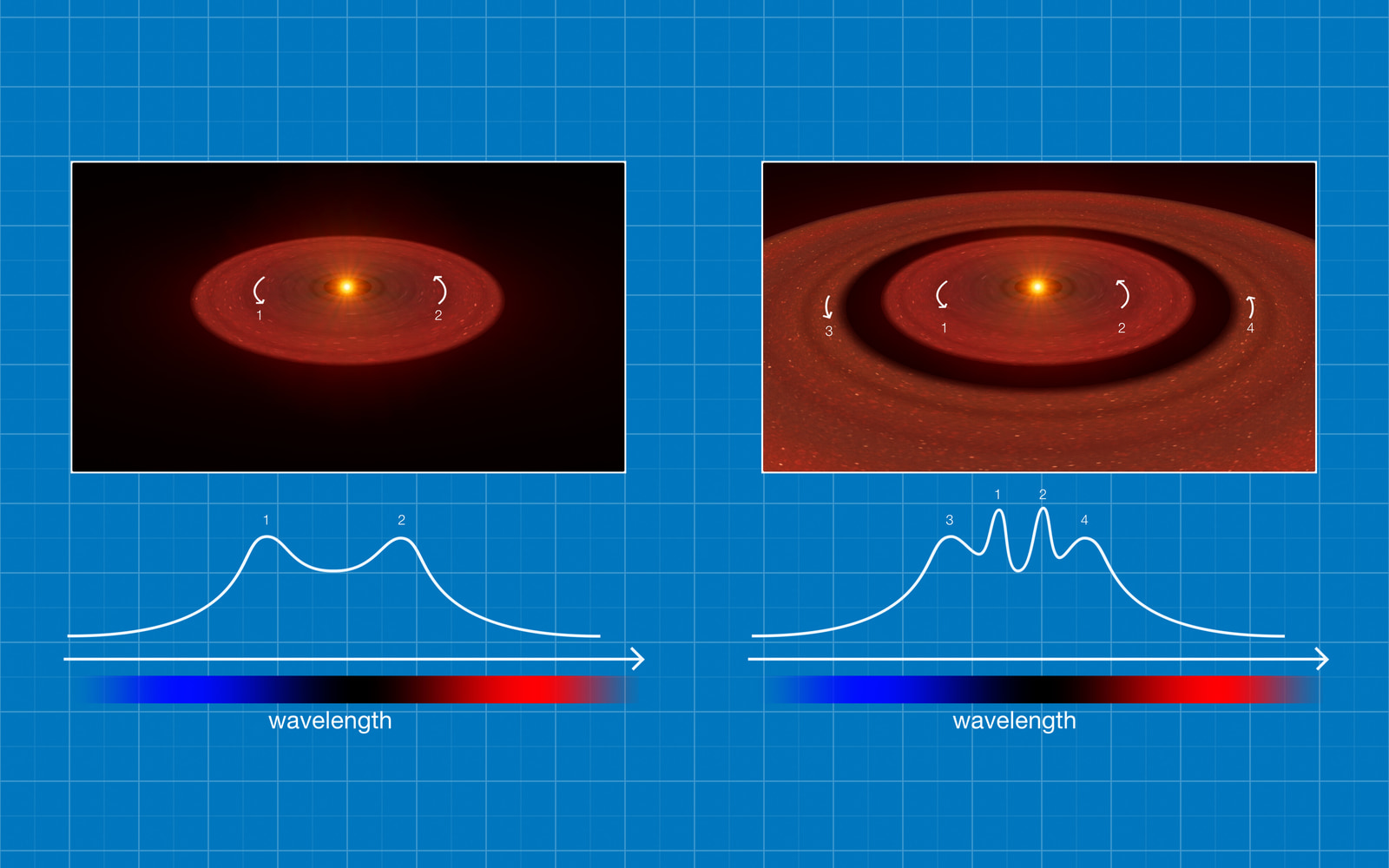
Read storyOne simulation predicts paired CO₂ ice lines and a wavelength test for the dust rings they create.
Read storyA census of 719 stars separates how often giant companions occur from how their masses compare with the stars they orbit.
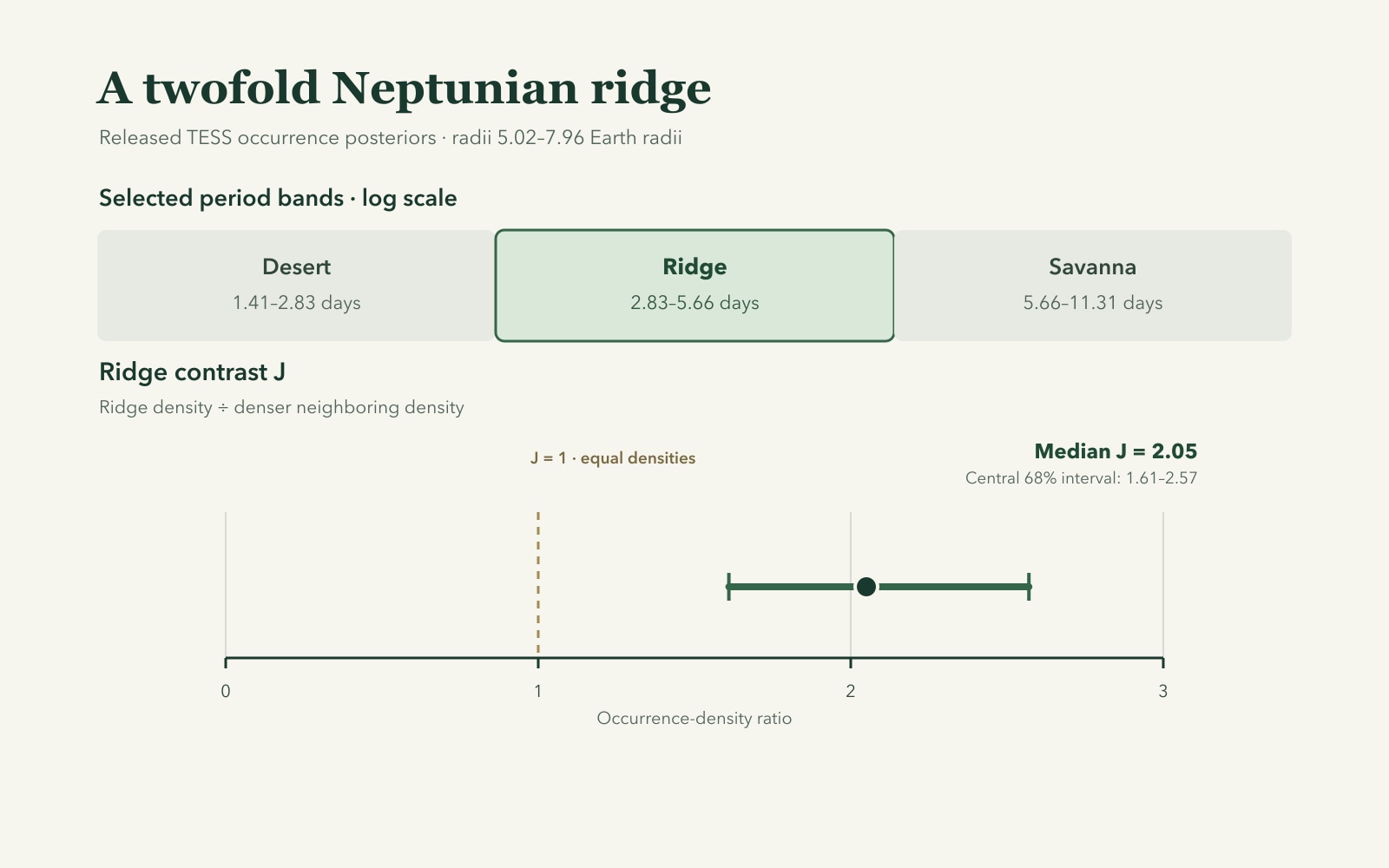
Read storyA population study finds a concentration of planets on short orbits. Understanding its comparison matters as much as the twofold headline.
Read storyA model of early Earth’s comet bombardment separates carrying organic molecules from delivering a concentrated supply that survives an impact.
Read storyA fluid model explores how a small body’s shape changes its disruption boundary, while leaving the origin and survival of its rings open.
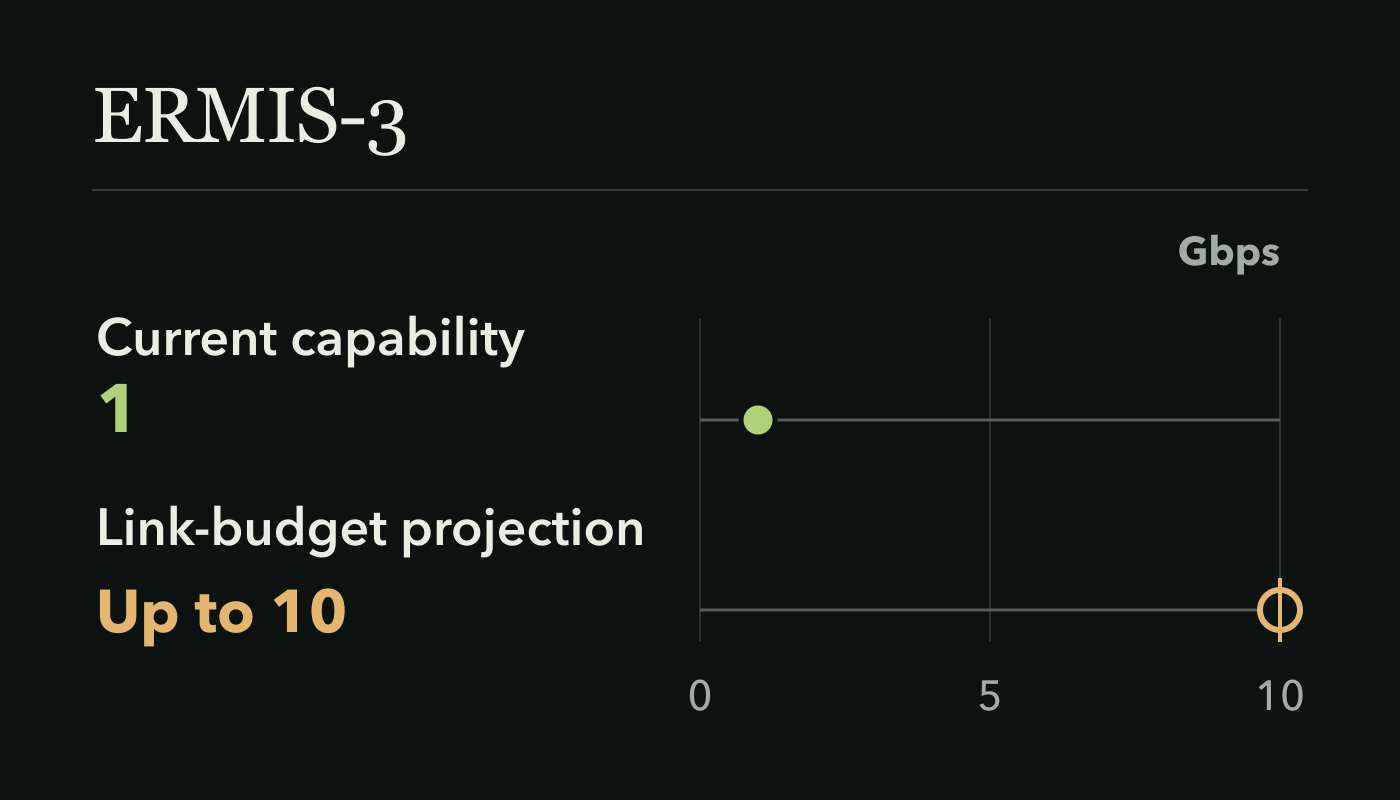
Read storyAn ERMIS-3 laser downlink tests tracking; AUTh reports 1 Gbps capability and link-budget potential up to 10 Gbps.
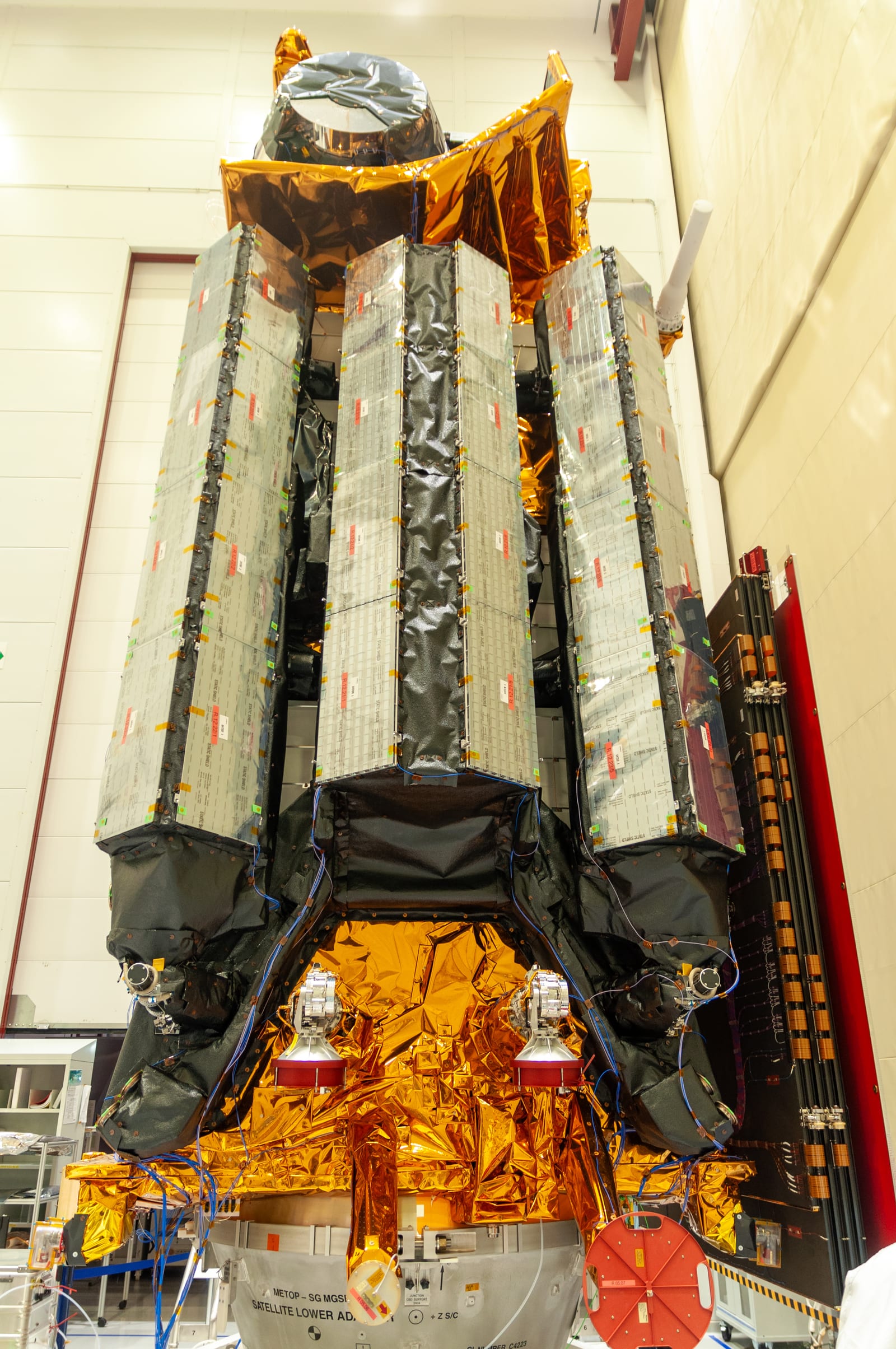
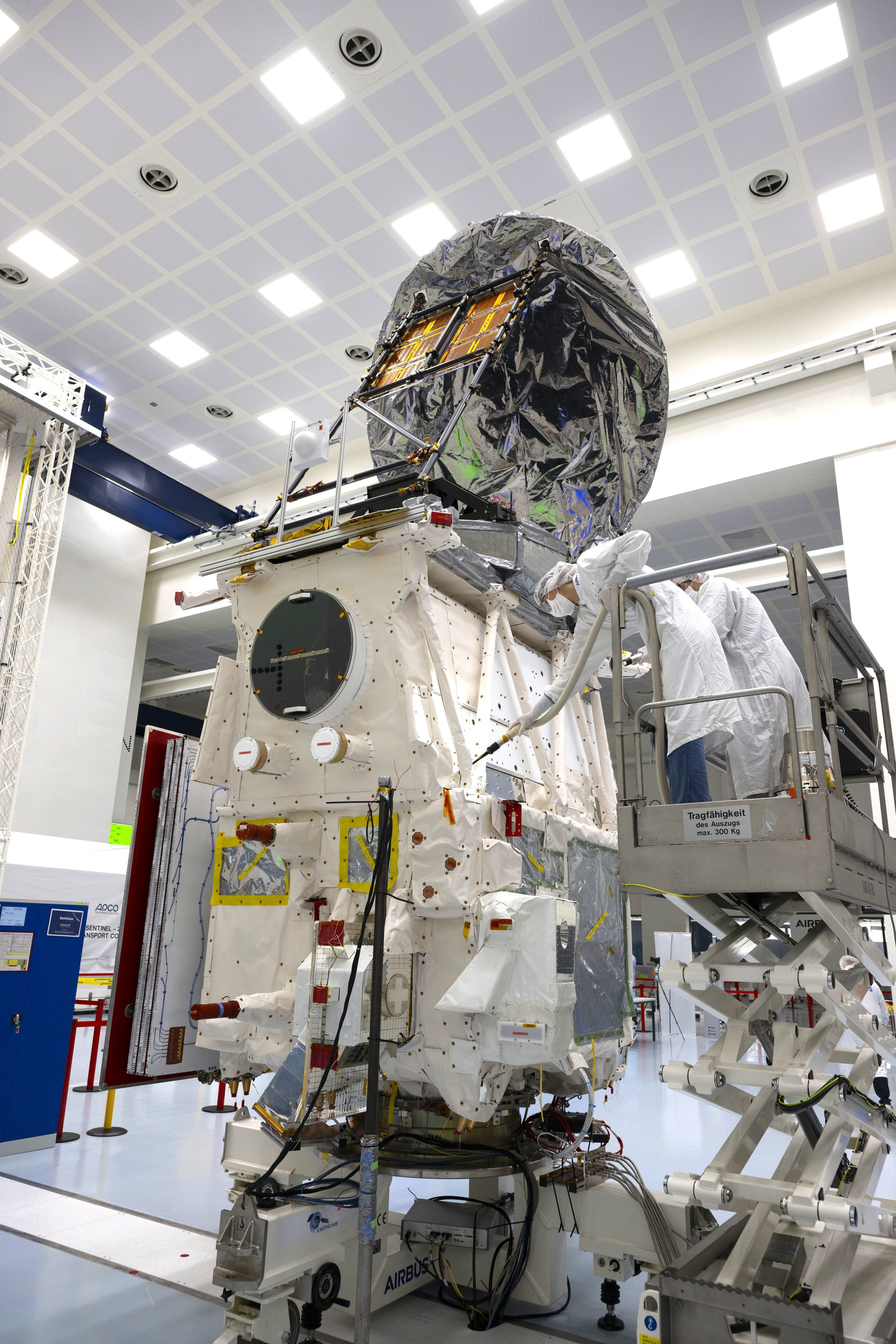
Read storyMetOp-SG-B1 has left storage in French Guiana as ESA prepares for reactivation, checks, fuelling and a planned year-end launch.
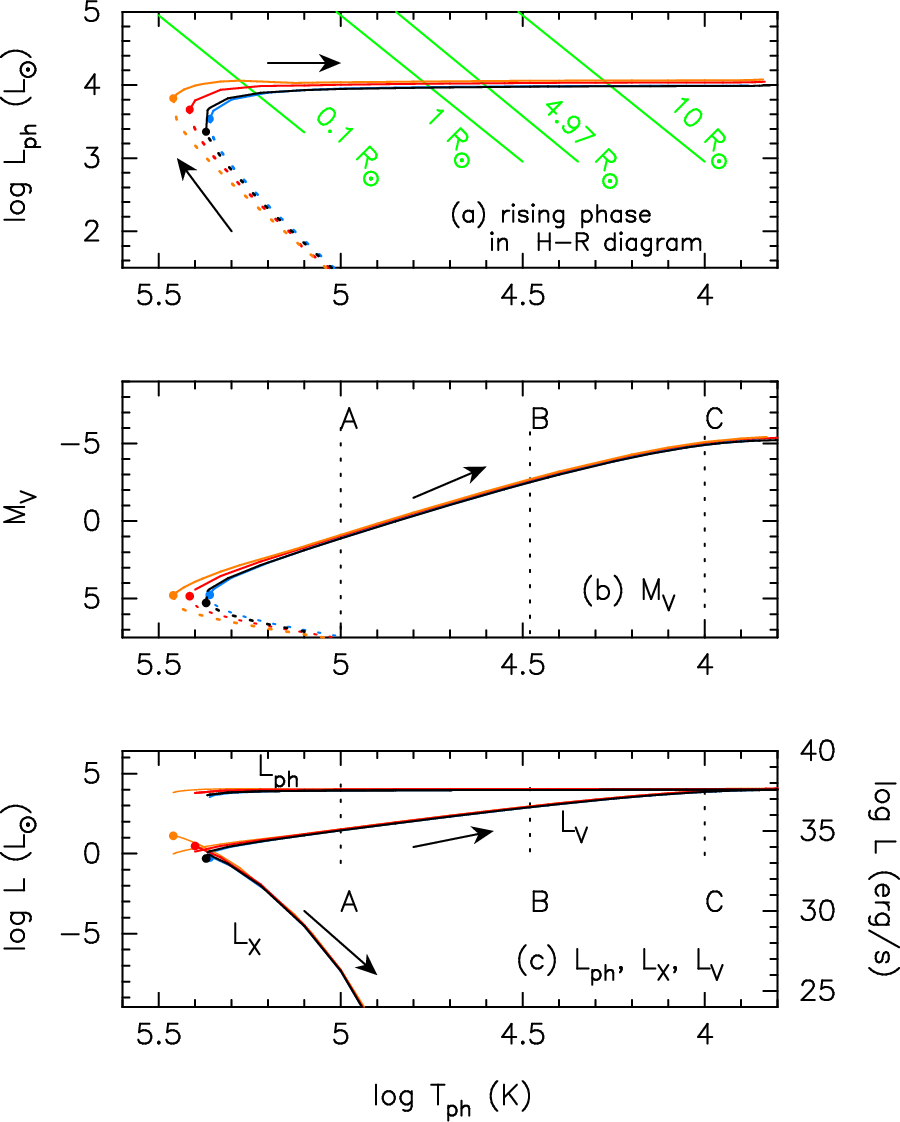
Read storyA model links Gaia22alz’s wind to its companion but cannot simulate the transition.
Read storyA preprint reports confirmation of a 3.27-day planet using transits and stellar-wobble measurements.
Read storyThe fit places it two years before explosion; wind speed, gas shape and light production affect the estimate.
Read storyLasers make sodium beacons that help adaptive-optics systems measure atmospheric blur, while natural stars provide a reference for overall image motion.
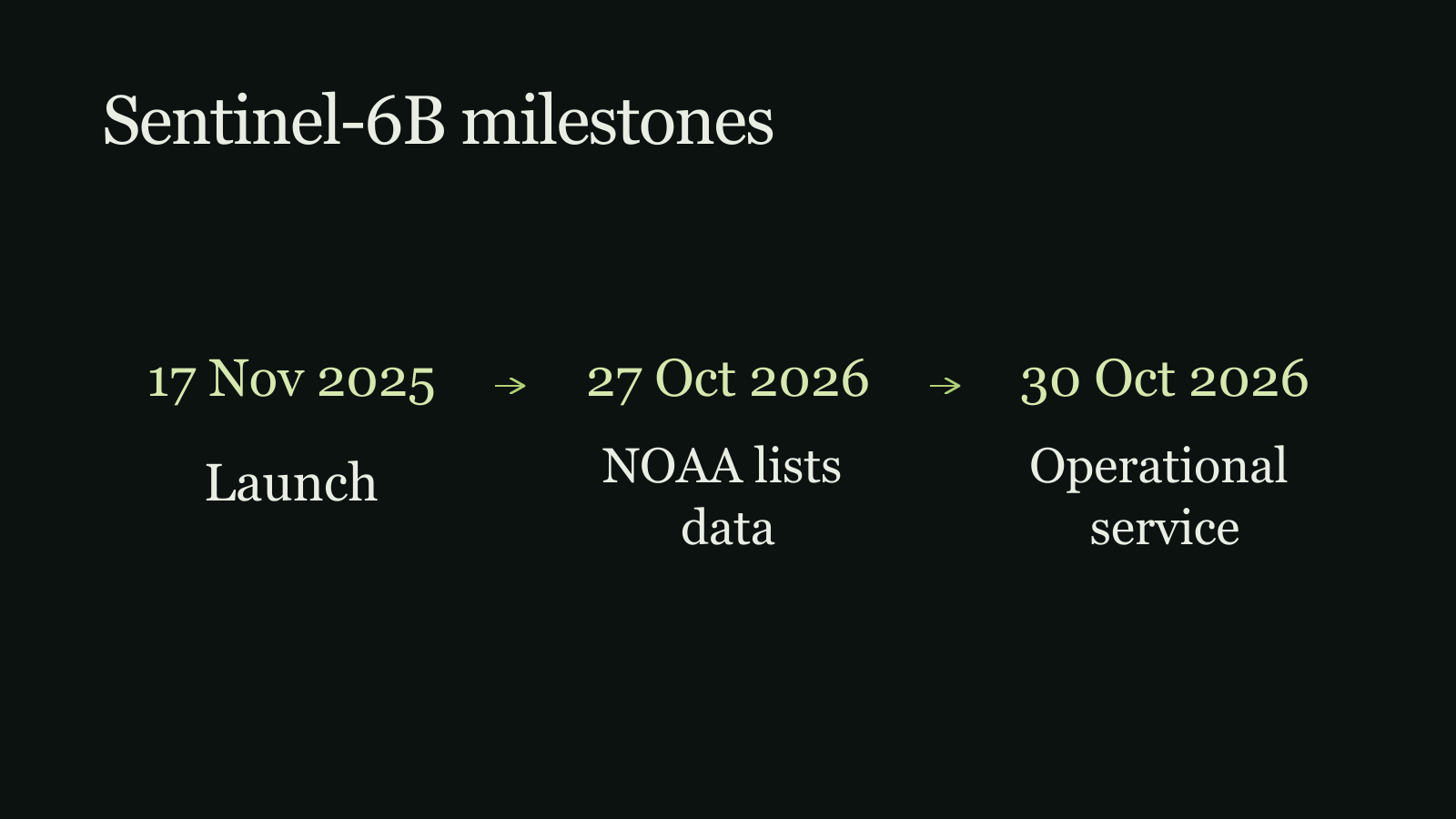
Read storySentinel-6B began operational service on 30 October after cross-validation with its twin. An earlier NOAA bulletin already listed its data.
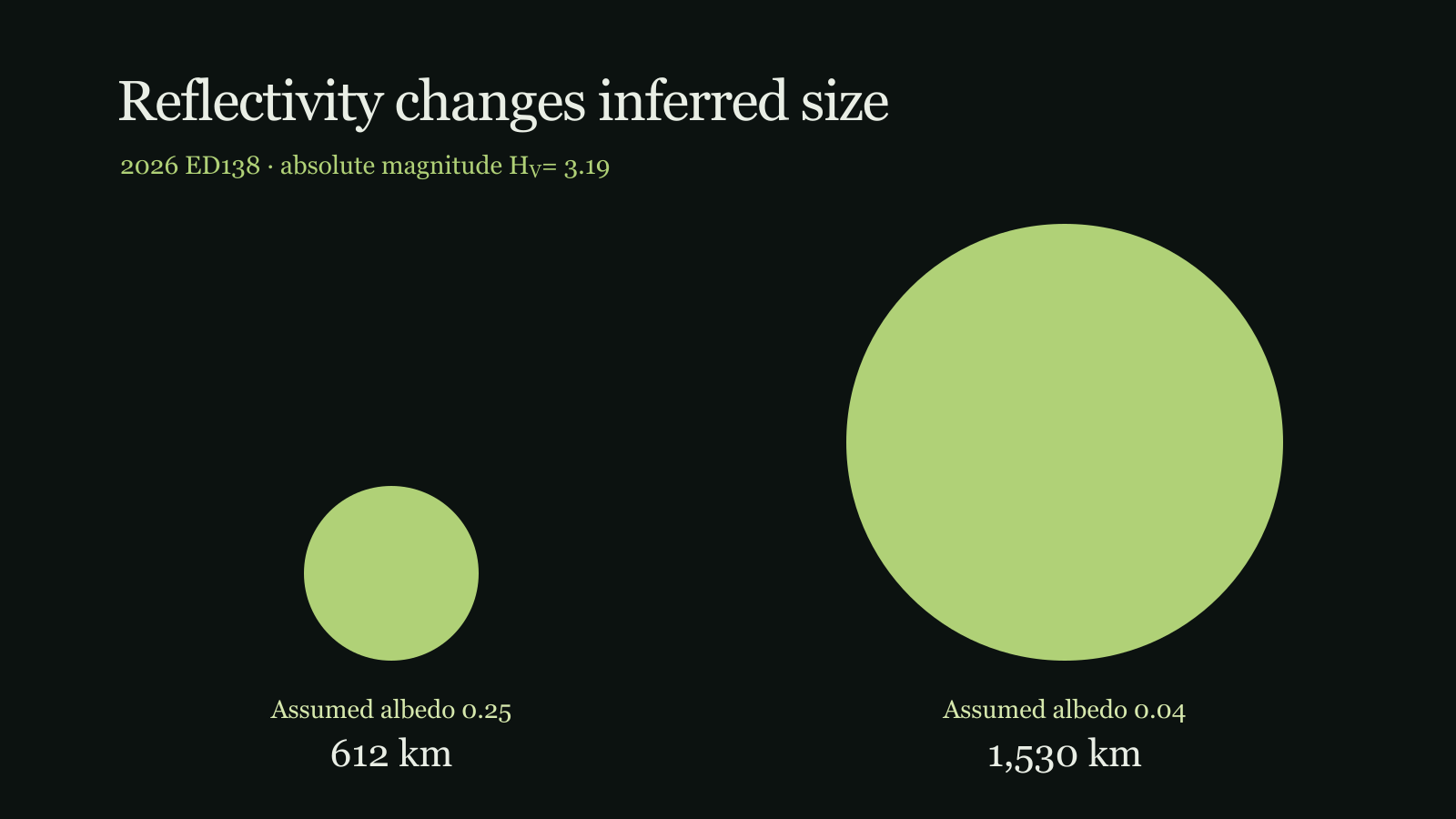
Read storyPreprints add old ground and space observations to Rubin’s dwarf-planet candidate; its diameter remains uncertain.
Read storyAn October 30 arXiv preprint reports CW-LRD-z10’s spectroscopic redshift; its classification and power source remain uncertain.
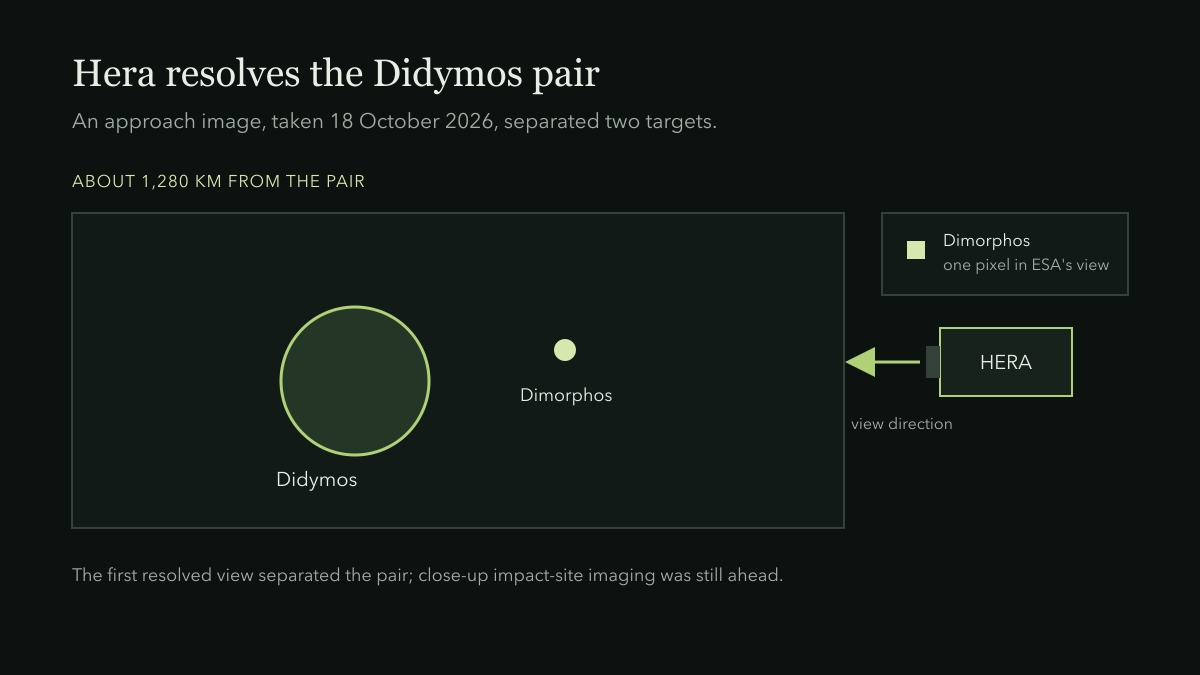
Read storyHera's 18 October 2026 image separated Didymos and Dimorphos during its approach to the post-impact survey.
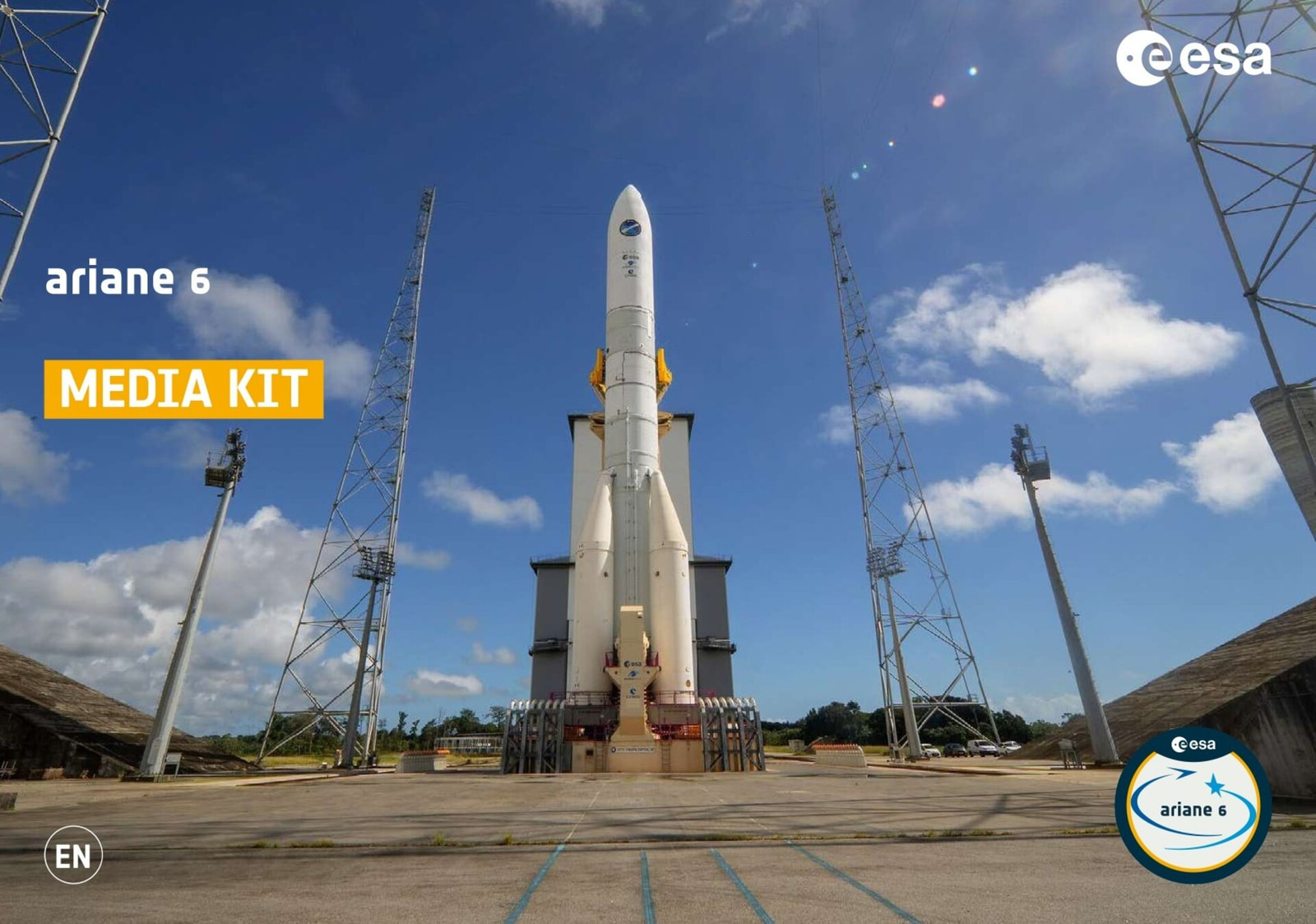
Read storyThe July 2024 maiden flight deployed eight passengers after two Vinci burns, but an auxiliary-unit shutdown prevented its planned final burn.
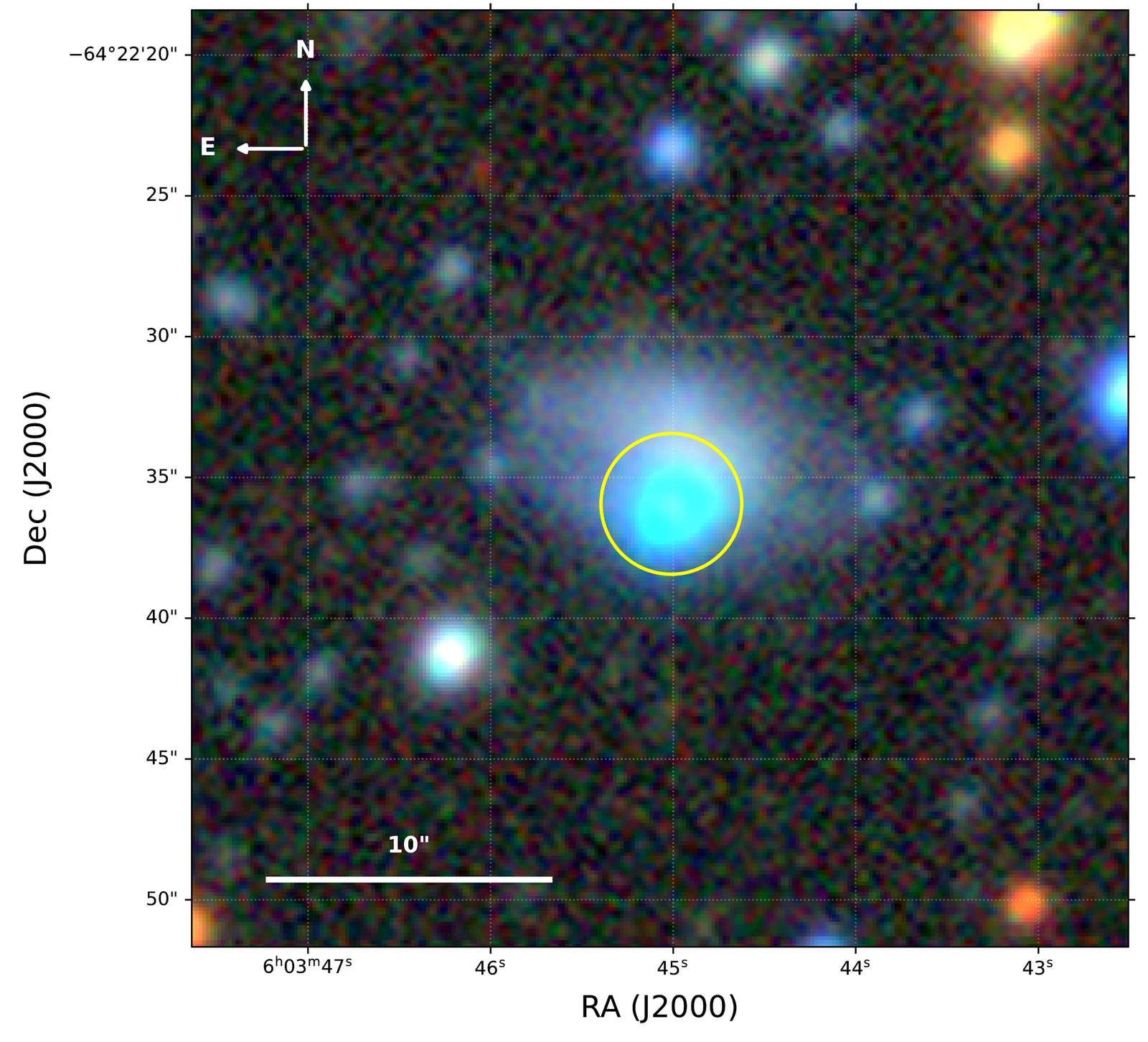
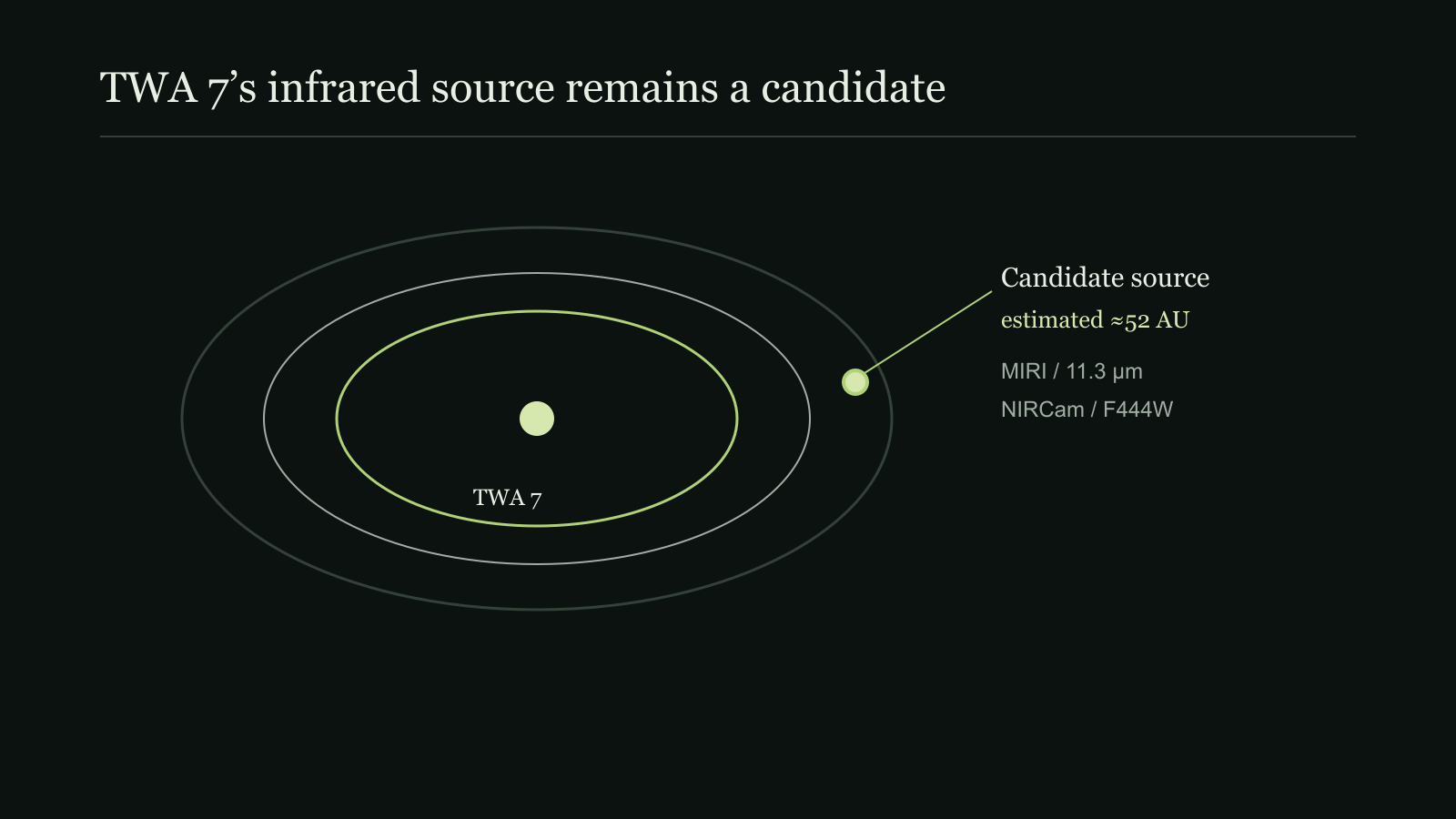
Read storyA JWST source observed in 2024 fits a cool companion, while follow-up supports the interpretation without yet testing shared motion.
Read storyESPRESSO measured a short-period sub-Earth-mass world; later instruments tested the signal and refined which other signals count as planets.
Read storyTimings from 2024 moved AU Mic c back toward its predicted schedule; the size and cause of the variation remain uncertain.
Read storyAn unusual light spectrum supports a two-ring model around white dwarf J1328−1450, with alternatives still considered.
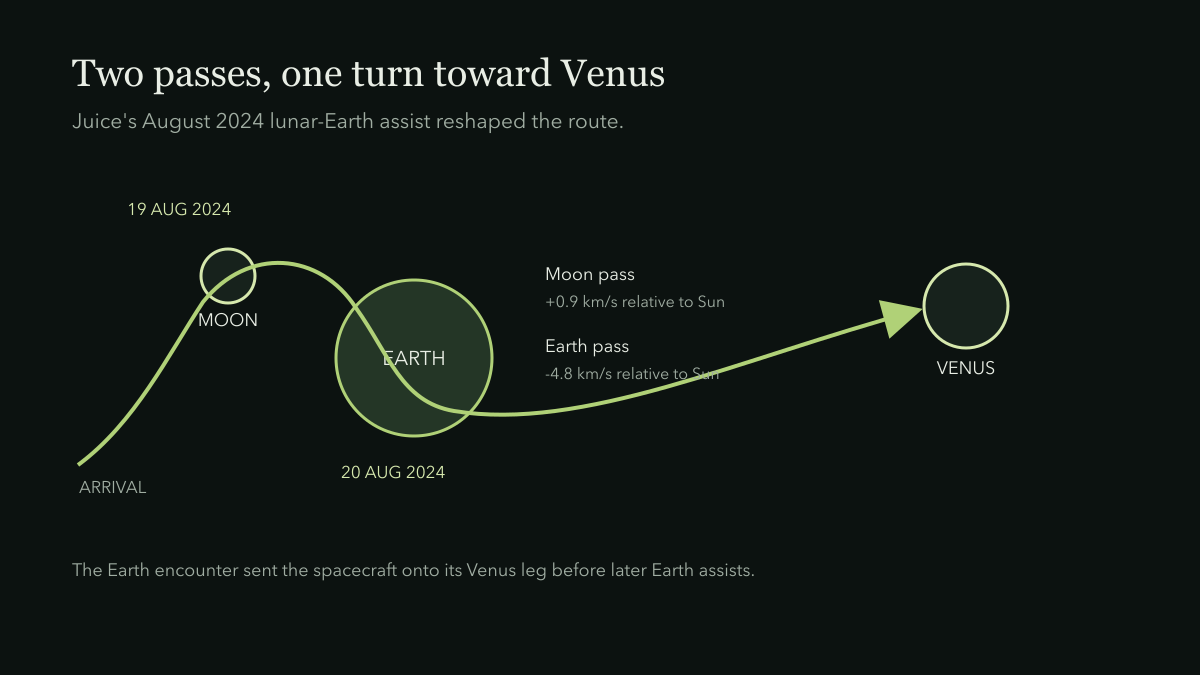
Read storyThe double assist sent Juice toward Venus before later legs to Jupiter.
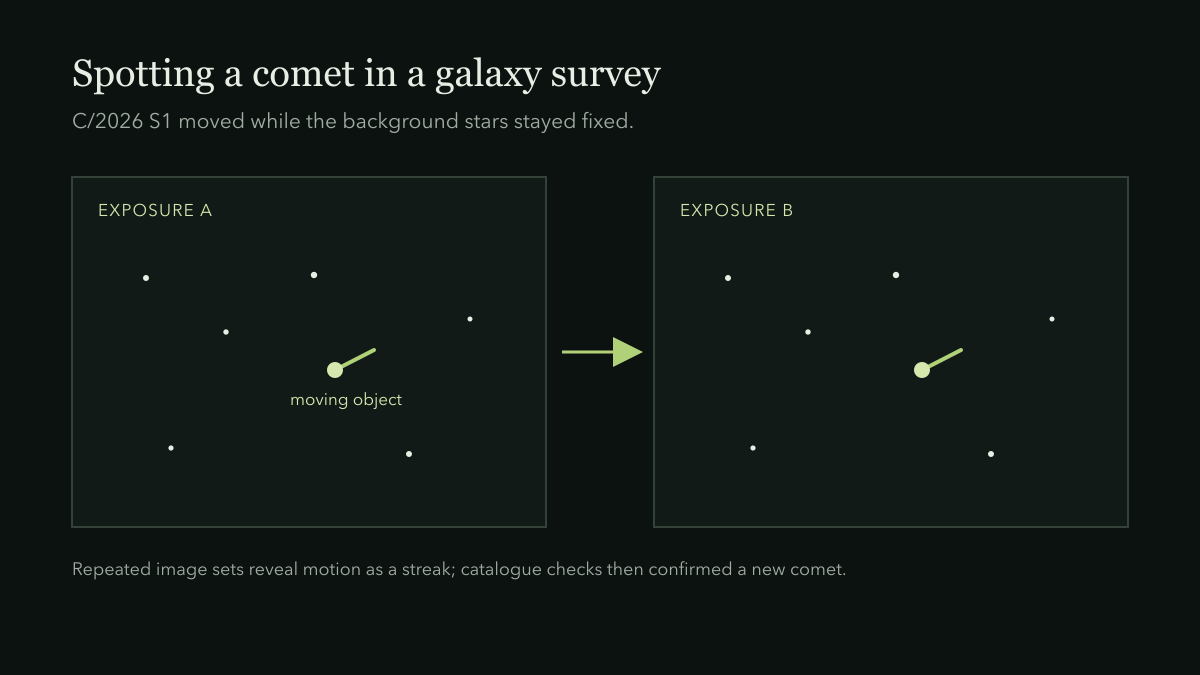
Read storyC/2026 S1 turned up in galaxy-survey images; catalogues confirmed a first for the mission.
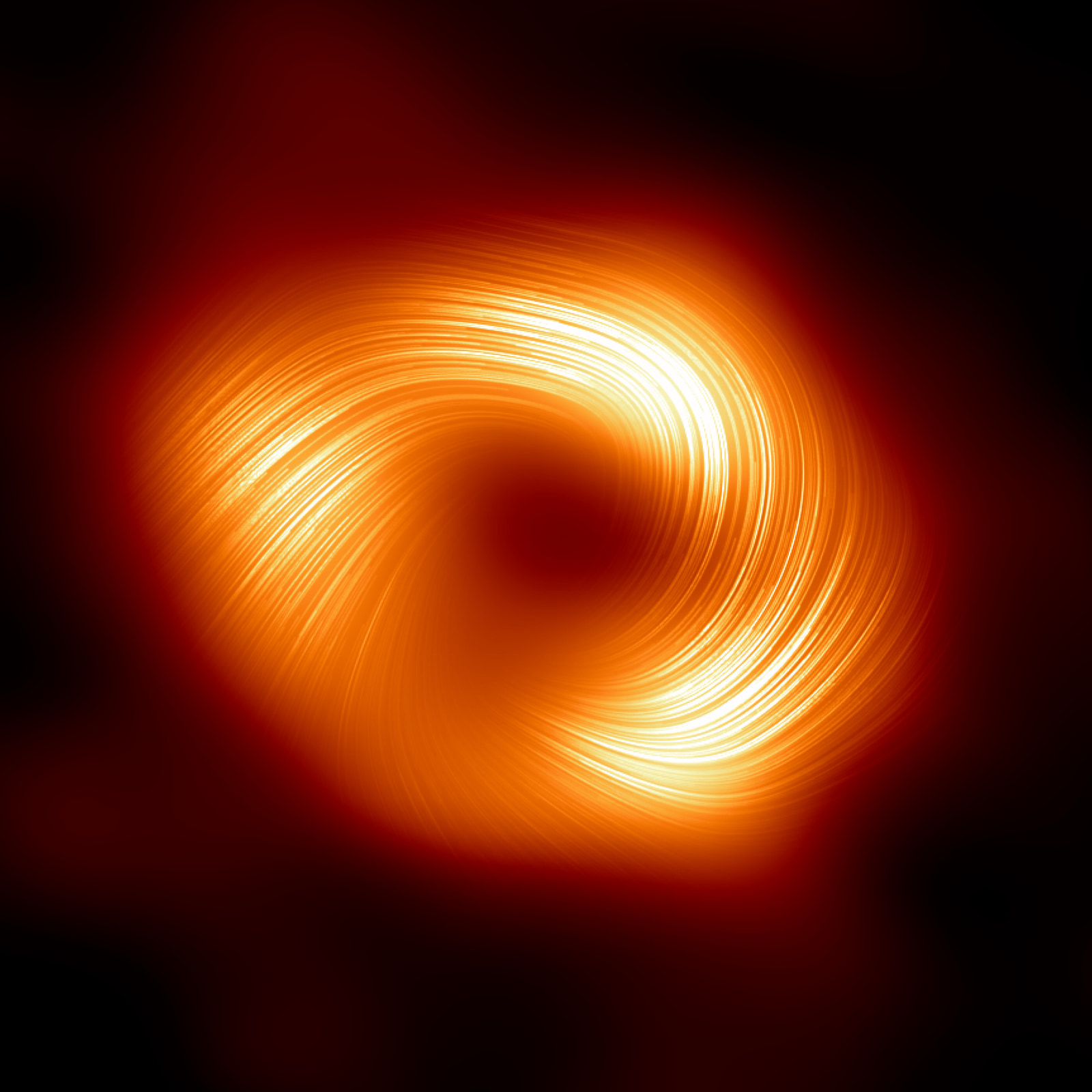
Read storyA 2024 polarization image revealed a robust spiral pattern, while the surrounding plasma and magnetic field still require interpretation.
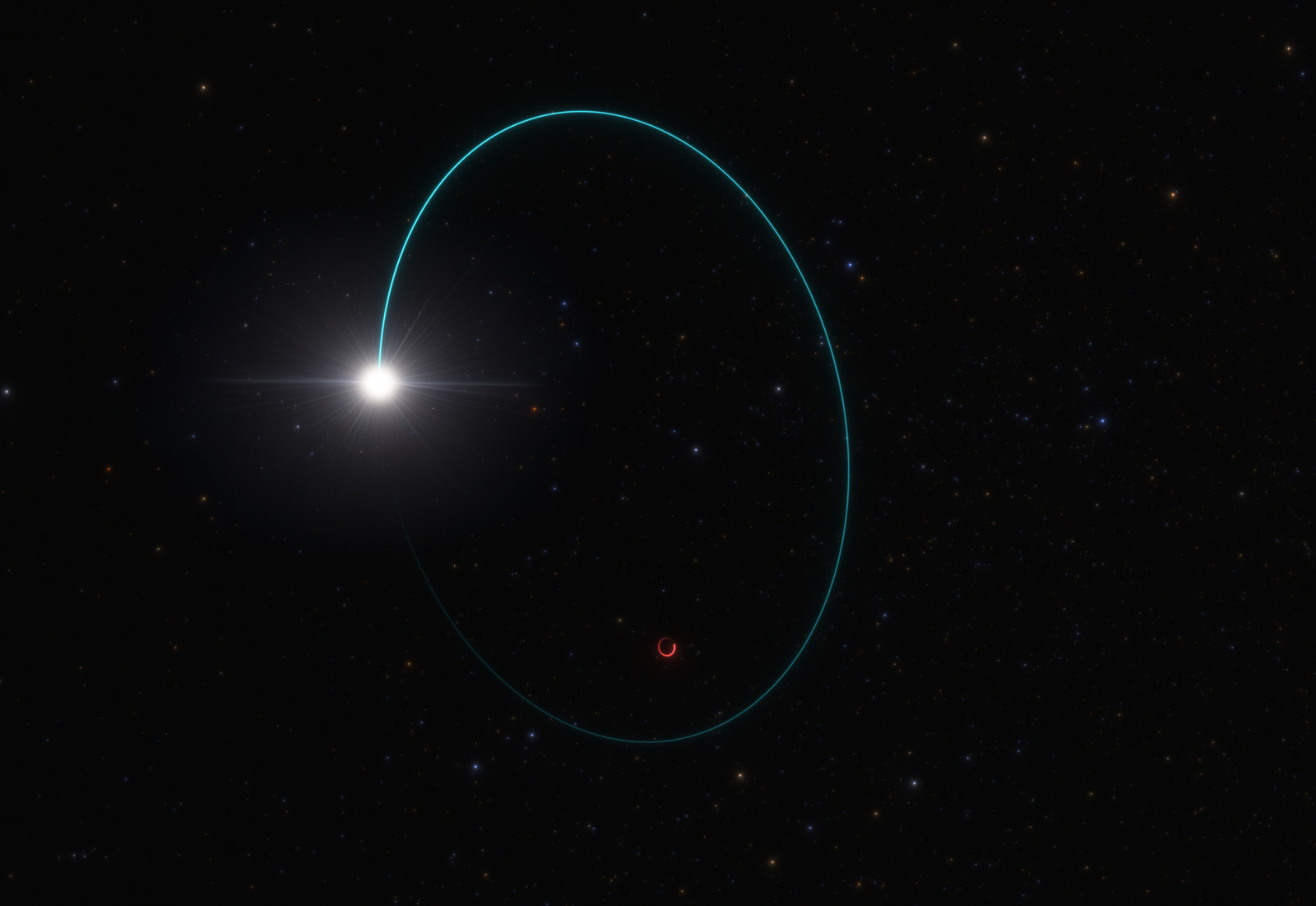
Read storyThe 2024 announcement described a massive dark companion and a tentative clue from its star.
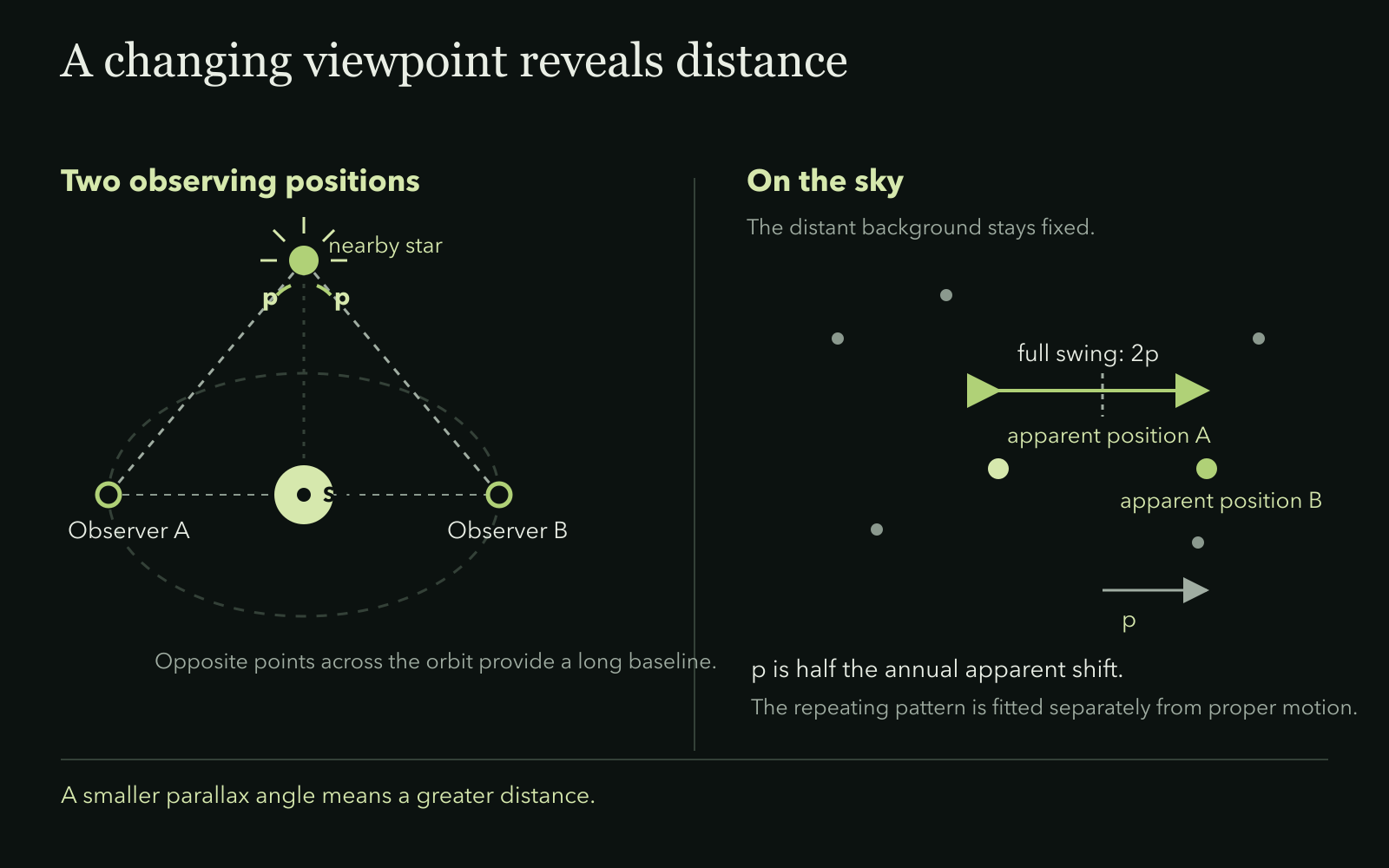
Read storyParallax links a star’s annual apparent shift to distance; noise and calibration determine confidence.
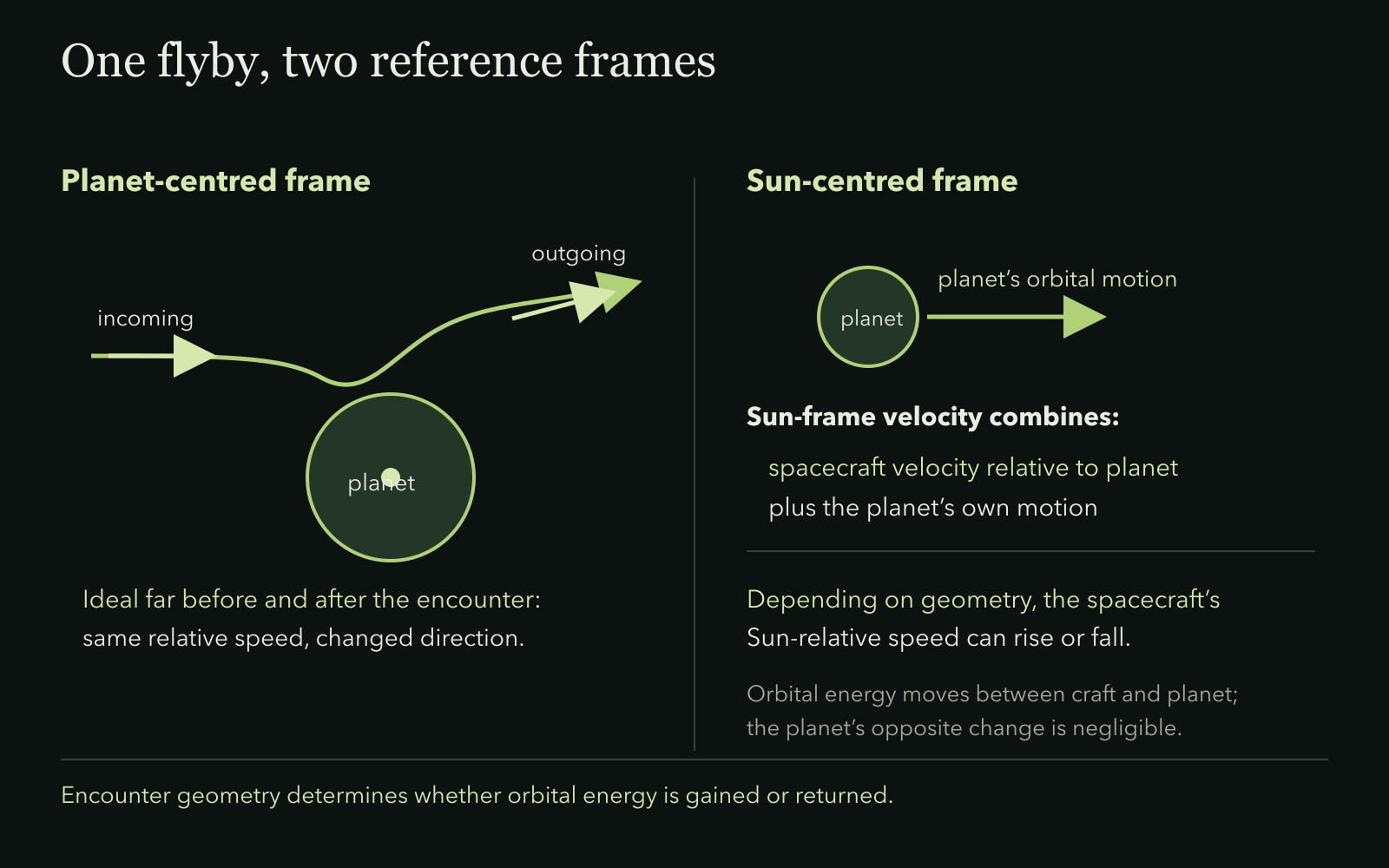
Read storyA moving planet can trade a tiny amount of orbital energy when its gravity bends a spacecraft’s path.
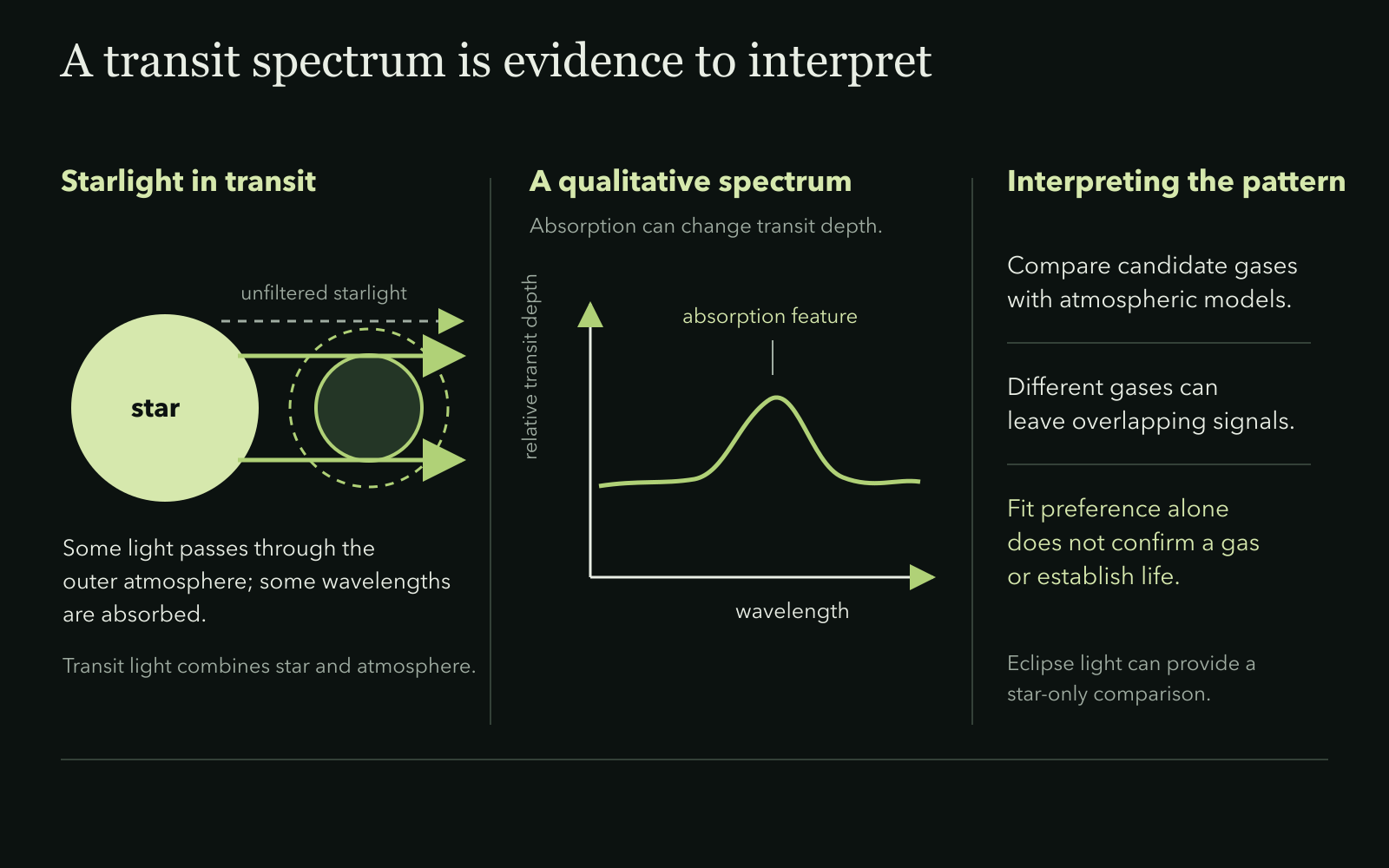
Read storyTransit spectra suggest chemistry, but overlapping signals limit claims about atmospheres and life.
Read storySentinel-3C rode above FLEX; the spacecraft separated in sequence, about an hour apart, into different orbits.
Read storyAfter a 2022 second-stage failure, Vega-C returned with a redesigned nozzle and two test firings behind it; its launch record now extends through 2026.
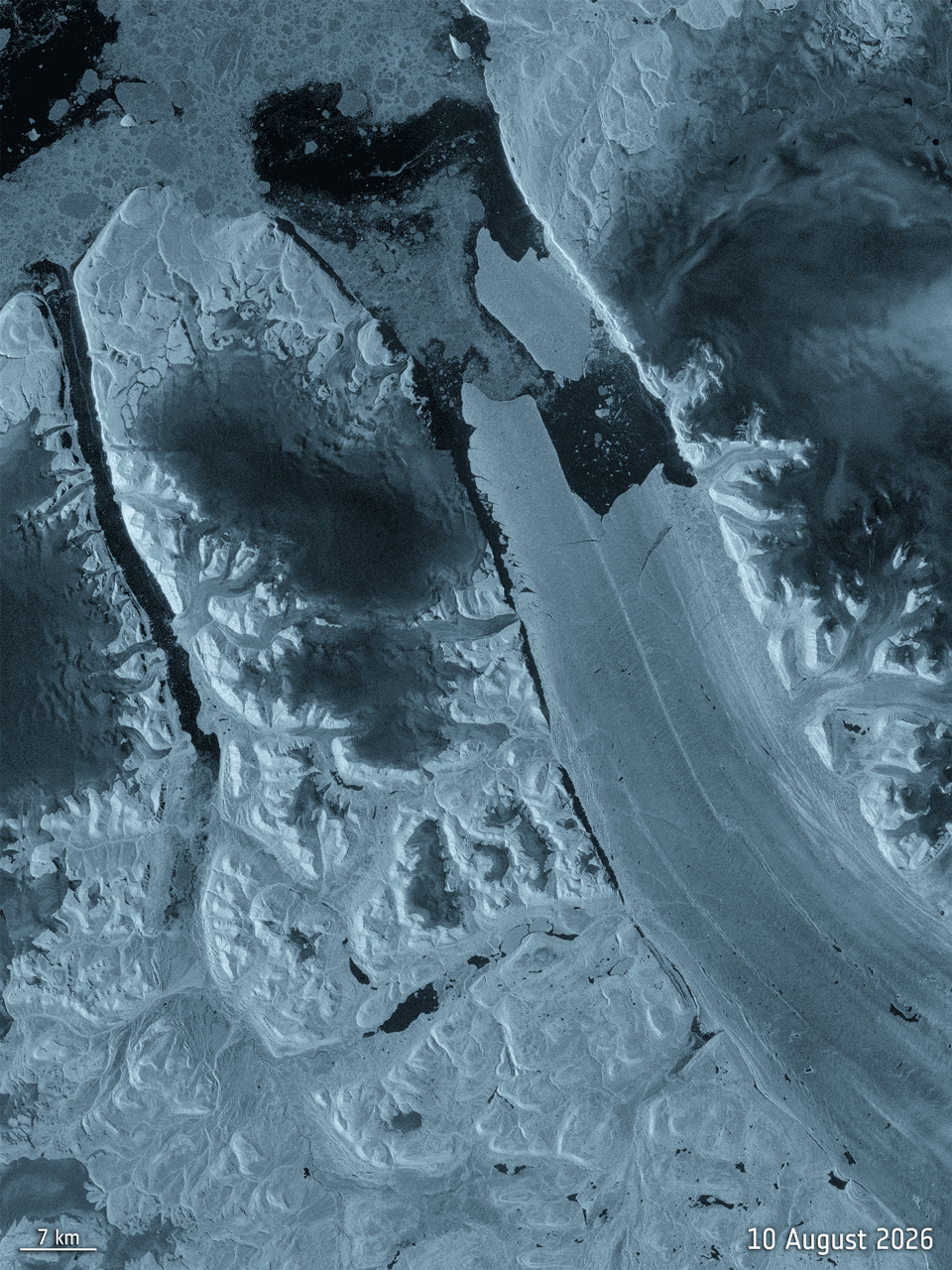
Read storyA floating section over 76 km² detached after years of fracture growth; radar dates the event but does not assign its cause.
Read storyRadar, lidar, multispectral imaging and radiation measurements track different parts of the cloud–aerosol system.
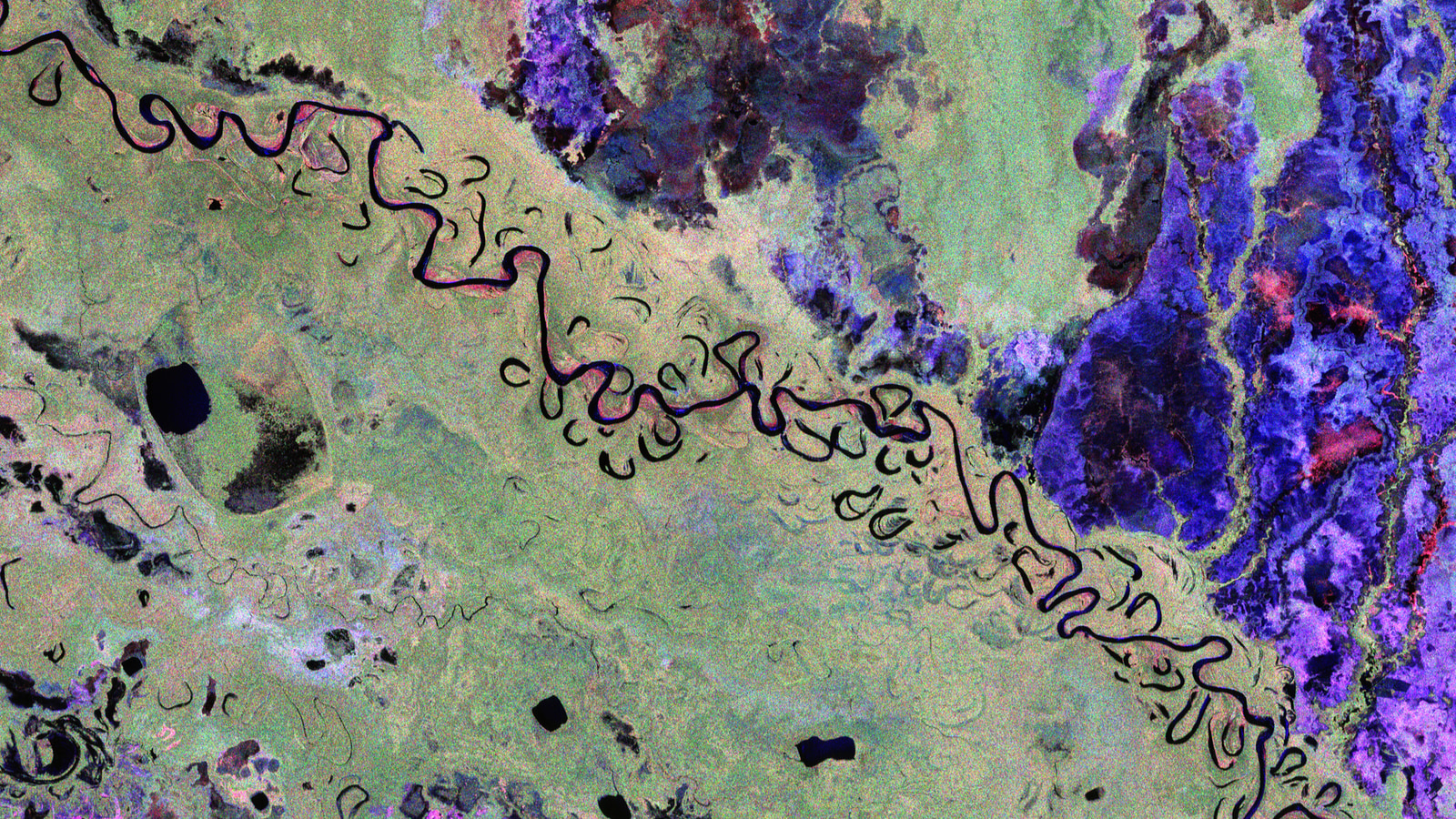
Read storyP-band radar measures woody biomass as a carbon-storage proxy; repeated scenes will support estimates of forest height and stock change.
Read storyRadio observations track April gas outbursts; the inferred mass loss depends on modelling assumptions.
Read storyNo stories match those filters. Clear the search or choose “All stories” to see the full archive.